Cannabis users develop psychosis years earlier, and the gap is widest after 30, analysis of 149 studies finds

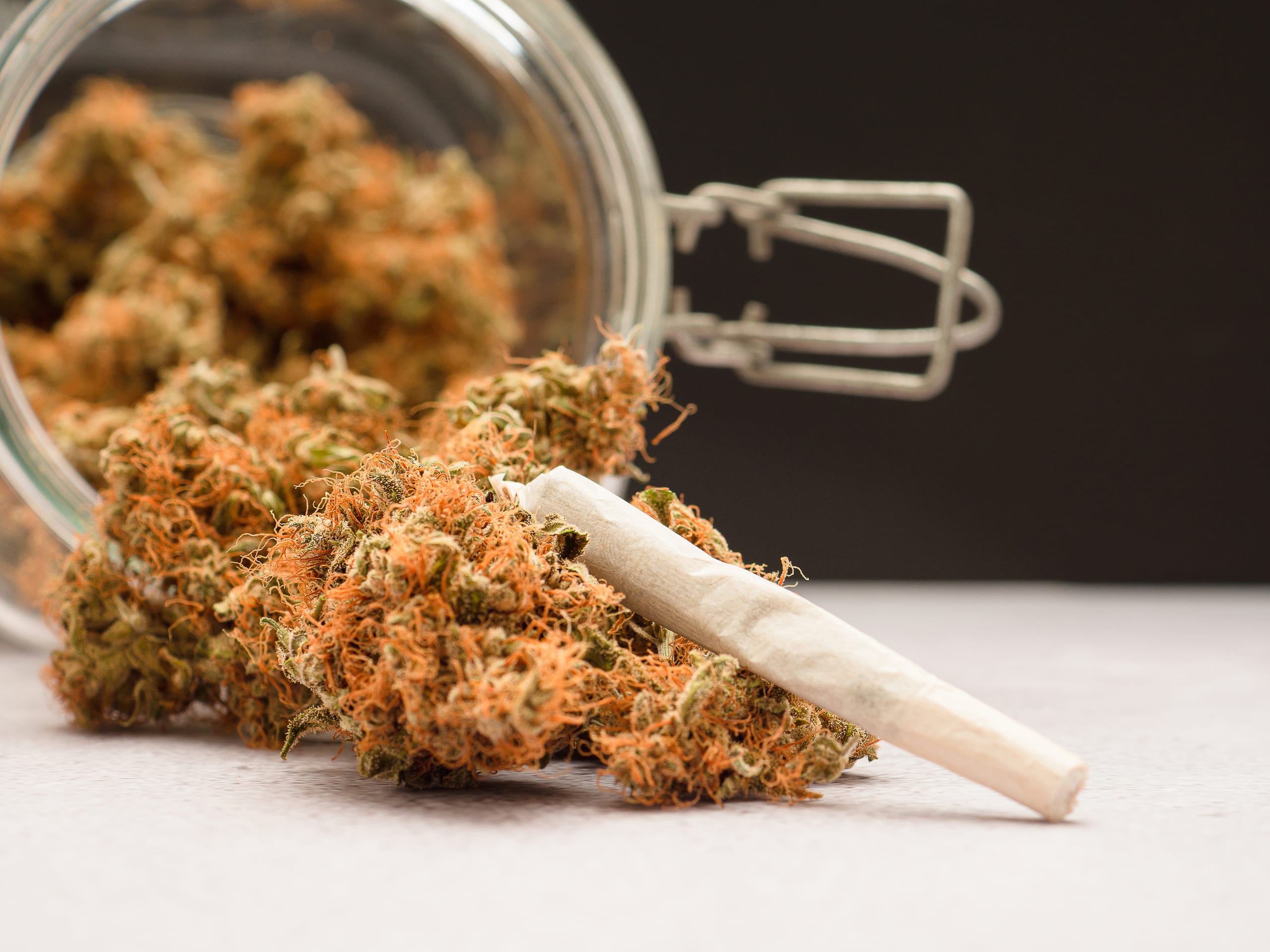
Canada's cannabis labels warn that using the drug before age 25 raises the risk of psychosis. A new analysis of nearly 150 studies suggests the link between cannabis and psychosis does not fade after 25. If anything, it appears stronger among people who become ill later in life.
Researchers at UNSW Sydney pooled 149 studies covering 18,272 cannabis users and 52,801 non-users who had developed psychosis. On average, the cannabis users had their first episode of psychosis 2.5 years earlier than the non-users. The paper was published in the journal Biological Psychiatry.
The gap widens with age
The researchers grouped the samples by the average age at which psychosis began. Where it began before age 20, cannabis users and non-users showed no significant difference. After that, the gap grew with each age group:
- Onset between 20 and 24: cannabis users became ill 1.6 years earlier.
- Onset between 25 and 29: 4.4 years earlier.
- Onset at 30 or older: 6.3 years earlier.
In a statistical model that accounted for other differences between the studies, the average age of onset remained a strong, independent predictor of how large the gap was.
"We've tended to focus on the dangers of using cannabis in adolescence, when the brain is still developing, but the risk doesn't disappear once you're in your 20s," the study's senior author, psychiatrist Matthew Large, said in a university release. "What we're seeing suggests a cumulative effect, where harm builds up over time, a bit like alcohol or nicotine."
The authors suggest the lack of a difference among teenagers may reflect a "biological floor." Psychosis rarely begins before the mid-teens, so there is little room for cannabis to move the onset any earlier.
What the study can't show
All 149 studies were observational, so the analysis cannot show that cannabis causes psychosis or brings it on sooner. People who are already heading toward psychosis may be more likely to use cannabis, and other factors could explain part of the link.
The authors list several other limitations. Few of the studies measured how much cannabis people used, so the researchers could only roughly separate "heavy or continued" users from "light or discontinued" ones. The studies also differed from one another a great deal, in ways the model could not fully explain, possibly because of genetic and environmental risk factors such as trauma and migration. And because each sample was classified by its average age of onset, some of the effect in the "older" groups may come from younger participants within them.
On the other hand, the overall result closely matches two earlier, smaller analyses, including one led by Large in 2011 that found a 2.7-year gap. The researchers found no sign of publication bias, and an earlier meta-analysis found that tobacco use did not explain the link.
Large argues that the evidence is now strong enough to act on. "In my view, the threshold for health warnings about cannabis and psychosis has definitely been met," he said.
What Canada's labels say
Since March 2025, Health Canada has required one of a set of rotating warnings on cannabis packages, printed in a yellow box. Two of them concern psychosis: "Using cannabis before age 25 increases your risk of mental disorders like psychosis and schizophrenia. The more often you use, the greater the risk," and "Cannabis can cause psychotic symptoms like severe paranoia. The risk is greatest in people younger than 25 or when using products higher in THC." Before 2025, the warnings said more simply that "regular use of cannabis can increase the risk of psychosis and schizophrenia."
The new analysis does not contradict the focus on young people, but it questions whether risk drops off after 25. "What we've found challenges the assumption that you'll be fine if you wait to smoke weed until your mid-20s; that's just not the case," lead author Carly Stevens said.
Canadian data point the same way. A 2025 Ontario study by researchers at ICES and the Ottawa Hospital Research Institute, published in JAMA Network Open, followed more than 13.5 million people aged 14 to 65 from 2006 to 2022. It estimated that the share of new schizophrenia cases associated with cannabis use disorder rose from 3.7 per cent before legalization to 10.3 per cent after nonmedical cannabis became legal in 2018. Like the new analysis, that study shows an association, not proof of cause.
Sources: Stevens, Pincham and Large, "Cannabis Use and Age-Related Acceleration of Psychosis Onset: A Meta-Analysis," Biological Psychiatry (2026), doi:10.1016/j.biopsych.2026.06.025 (open access); UNSW Sydney release; Health Canada, Cannabis health warning messages (in force March 12, 2025); Myran et al., JAMA Network Open (2025), doi:10.1001/jamanetworkopen.2024.57868.