Health Canada seizes nearly 4,000 vials of unauthorized injectable peptides from New Brunswick company

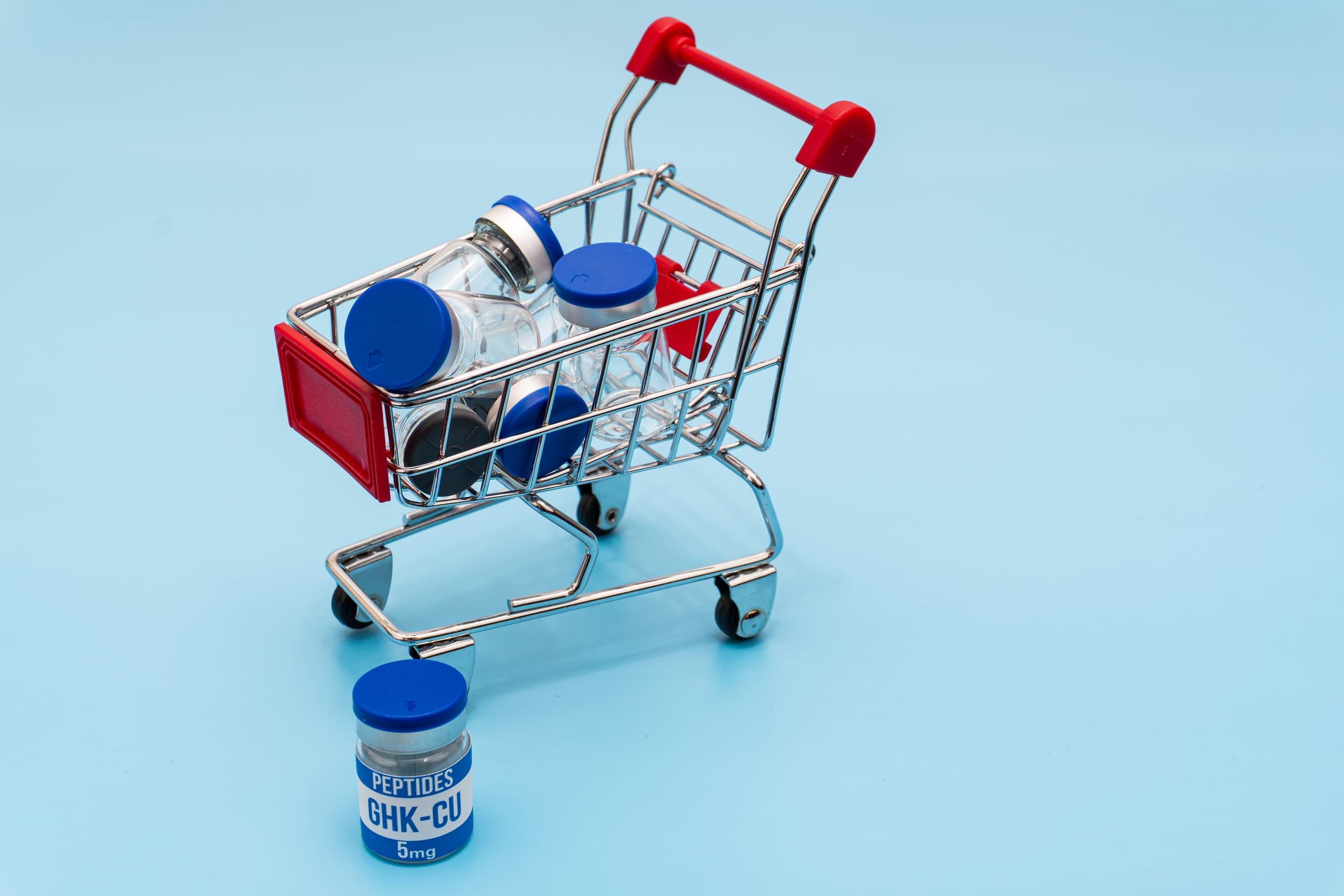
Health Canada has seized nearly 4,000 vials of unauthorized injectable drugs from Canada Biogenix, a New Brunswick company it says was importing and labelling human and veterinary drugs and selling them on its website for people to use.
In a public advisory issued Monday, the department told Canadians not to buy or use the products. Anyone who has injected one and develops redness, swelling or pain at the injection site, a fever or chills should get medical attention right away, because those can be signs of a serious infection.
Along with the vials, inspectors seized drugs meant to be taken by mouth and equipment used to make, package and label health products.
What was seized
The seizure covered more than 30 injectable peptides, among them BPC-157, TB-500, CJC-1295, ipamorelin, GHK-Cu, melanotan, PT-141, tesamorelin, thymosin alpha-1 and products sold under names such as "GLOW," "KLOW" and "wolverine." It also included semaglutide and tirzepatide, the active ingredients in the weight-loss and diabetes drugs Ozempic and Mounjaro, and retatrutide, an experimental weight-loss drug that has not been approved in Canada.
Inspectors also took injectable NAD+, an experimental compound called SLU-PP-332, and bacteriostatic water, which is used to dissolve powdered drugs before injection. For use by mouth, they seized fenbendazole capsules, capsules combining fenbendazole with ivermectin, and methylene blue as capsules and a 3 per cent solution.
Health Canada said some of the products were labelled "For Research Purpose Only." That label means a product was made for laboratory use, not for people, the department said, and it does not make a product legal or exempt it from the rules.
The stated risks
None of the seized products has been assessed by Health Canada for safety, effectiveness or quality. The department said there is no way to know what is in an unauthorized drug or how it was made. It may hold too much, too little or none of the active ingredient, or be contaminated with solvents, heavy metals, glass or plastic particles, bacteria, fungi or endotoxins. Those risks are higher when the drug is injected.
The advisory singled out several of the products:
- Injectable peptides are generally regulated as prescription drugs. They are often promoted for weight loss, muscle growth or anti-aging, but unauthorized versions can cause hormonal and blood-sugar imbalances, liver or kidney damage, blood clots and the growth of cancerous tumours, Health Canada said.
- Fenbendazole is a veterinary dewormer for animals such as cows and pigs. It is not approved for human use in Canada, and the department said veterinary drugs should never be used by people. The fenbendazole-ivermectin combination has not been reviewed for human use either.
- Ivermectin is a prescription drug for some parasitic worm infections. At high doses it can cause low blood pressure, severe allergic reactions, liver problems and decreased alertness, including coma.
- Methylene blue is approved as an intravenous treatment for a rare blood disorder and as a diagnostic dye, but not as capsules or a 3 per cent solution.
- NAD+ has no authorized injectable product in Canada. Health Canada said injecting it could cause sharp drops in blood pressure or a slow or irregular heartbeat.
- SLU-PP-332 is promoted online as an "exercise mimetic" that burns fat. It has never been tested in human clinical trials, and there is no established safe dose.
- Bacteriostatic water must be sterile. An unauthorized product may not be, and injecting a contaminated product can cause serious infections.
Recalls of products sold on Amazon
After Health Canada's enforcement action, Canada Biogenix stopped selling unauthorized drugs, the department said. The company is also recalling the two products it had been selling on Amazon. The bacteriostatic water is a Type I recall, the most serious class, used when a product could cause serious health problems or death. The methylene blue is a Type II recall.
Health Canada said it will keep seizing unauthorized drugs and working with the Canada Border Services Agency to stop them from entering the country. It advised Canadians to buy prescription drugs only from licensed pharmacies and to check for an eight-digit Drug Identification Number (DIN) on the label, which shows that a drug has been authorized.
Unauthorized drugs should be taken to a pharmacy for disposal or handled as hazardous household waste. Side effects can be reported to Health Canada.
Source: Health Canada, "Unauthorized drugs, including prescription drugs and injectable peptides, seized from Canada Biogenix as they may pose serious health risks," public advisory, Nov. 23, 2026.