C.D. Howe panel urges OSFI to hold big-bank capital buffer at 3 per cent in December

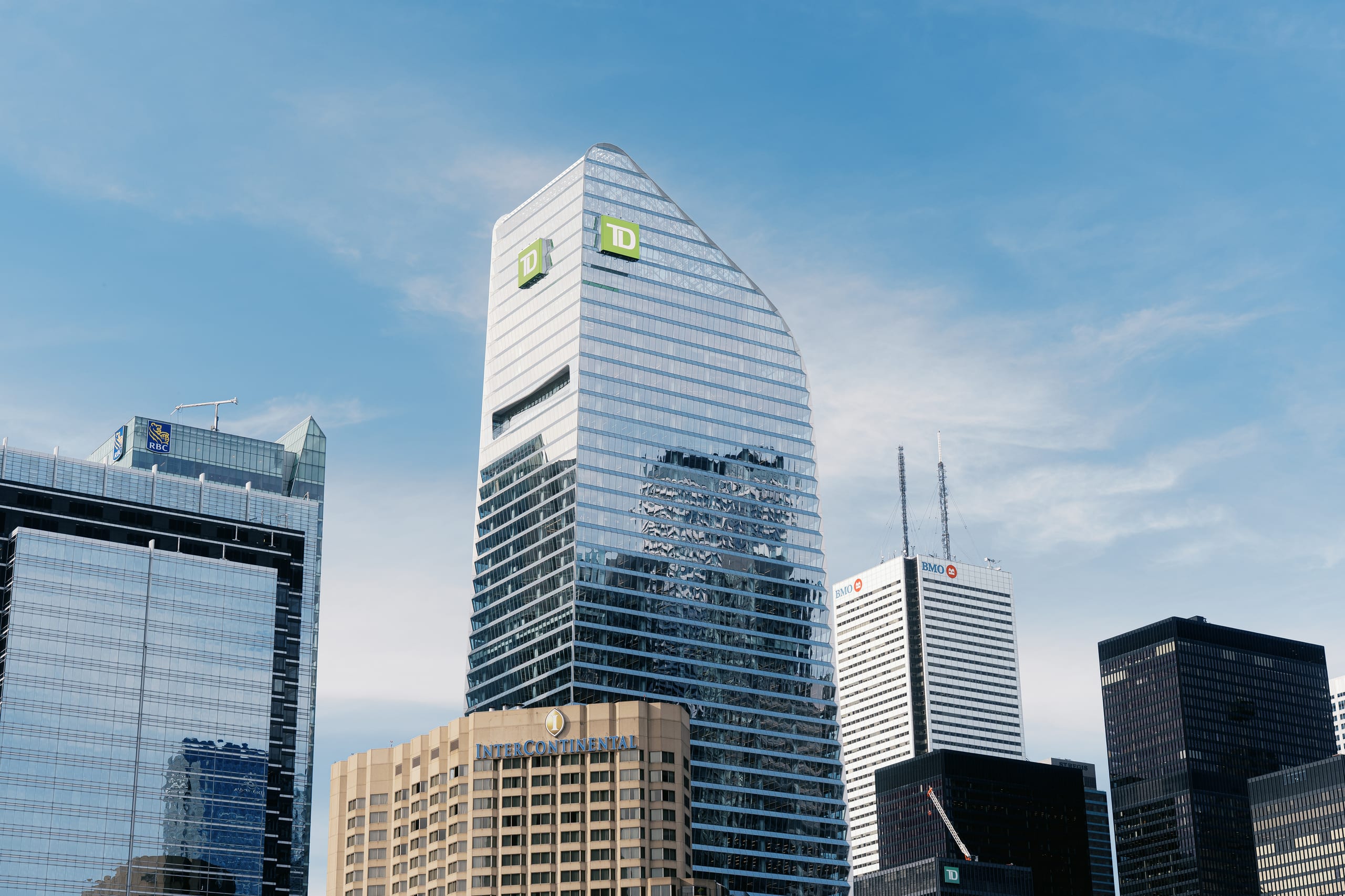
A seven-member panel convened by the C.D. Howe Institute is urging Canada's banking regulator to leave the extra capital cushion it requires of the country's six largest banks where it is when it sets the level again in December.
The institute's Domestic Stability Buffer Council voted unanimously to recommend that the Office of the Superintendent of Financial Institutions (OSFI) hold its Domestic Stability Buffer at 3 per cent of risk-weighted assets. The council is an outside advisory group run by the think tank. It has no formal role in OSFI's decision, which the regulator makes in consultation with other federal financial agencies.
What the buffer is
The Domestic Stability Buffer is extra capital that Canada's six "domestic systemically important banks" (RBC, TD, Bank of Montreal, Scotiabank, CIBC and National Bank) must hold on top of their regular requirements, so they can absorb losses in a downturn and keep lending. When OSFI lowers it, banks can lend more of the capital they hold; when it raises it, they must keep more in reserve.
OSFI cut the buffer on June 19 from 3.5 per cent to 3 per cent, its first change since June 2023, and lowered the top of the allowable range from 4 per cent to 3 per cent. That left the banks' total supervisory expectation at 11 per cent of risk-weighted assets in common equity Tier 1 capital. At the time, OSFI said the six banks averaged 13.5 per cent, a cushion it put at roughly $74 billion, and said it expected them to use the freed-up capital to invest in the Canadian economy. The regulator reviews the buffer every June and December and can change it at any time.
Why the council wants to wait
The council said economic and financial conditions are "largely unchanged" since June. Household debt relative to disposable income is stable, house prices relative to incomes are still falling from historically high levels, and banks' provisions for loan losses have levelled off, although non-performing loans continue to rise.
On the other side, it pointed to auto plant closures, weak business investment, rising unemployment and higher interest rates, noting that the Bank of Canada raised its policy rate in October. The council said those headwinds "could justify" cutting the buffer below 3 per cent, but that a half-point change takes more than six months to show up in lending. It also noted that banks' capital ratios have dipped since June partly because of share buybacks, and that large investments the banks announced have mostly not materialized yet.
Members also cited the 2026 federal budget, which gave OSFI a new secondary objective of promoting competition, as a reason to let the system adjust before making further changes. And they flagged the concentration of U.S. stock-market gains in a handful of technology companies as a risk that argues for caution.
OSFI is scheduled to announce its December decision next month.
Sources: C.D. Howe Institute, "Give it Time: Council Recommends Holding Buffer at 3 Percent to Allow June Cut to Fully Take Effect" and accompanying media release, Nov. 23, 2026; Office of the Superintendent of Financial Institutions, "OSFI lowers Domestic Stability Buffer to 3.0% so Canada's largest banks can deploy more capital," June 19, 2026, and Domestic Stability Buffer page.