Metro Vancouver condo completions to fall more than a third by 2031 as rentals take over construction, CMHC projects

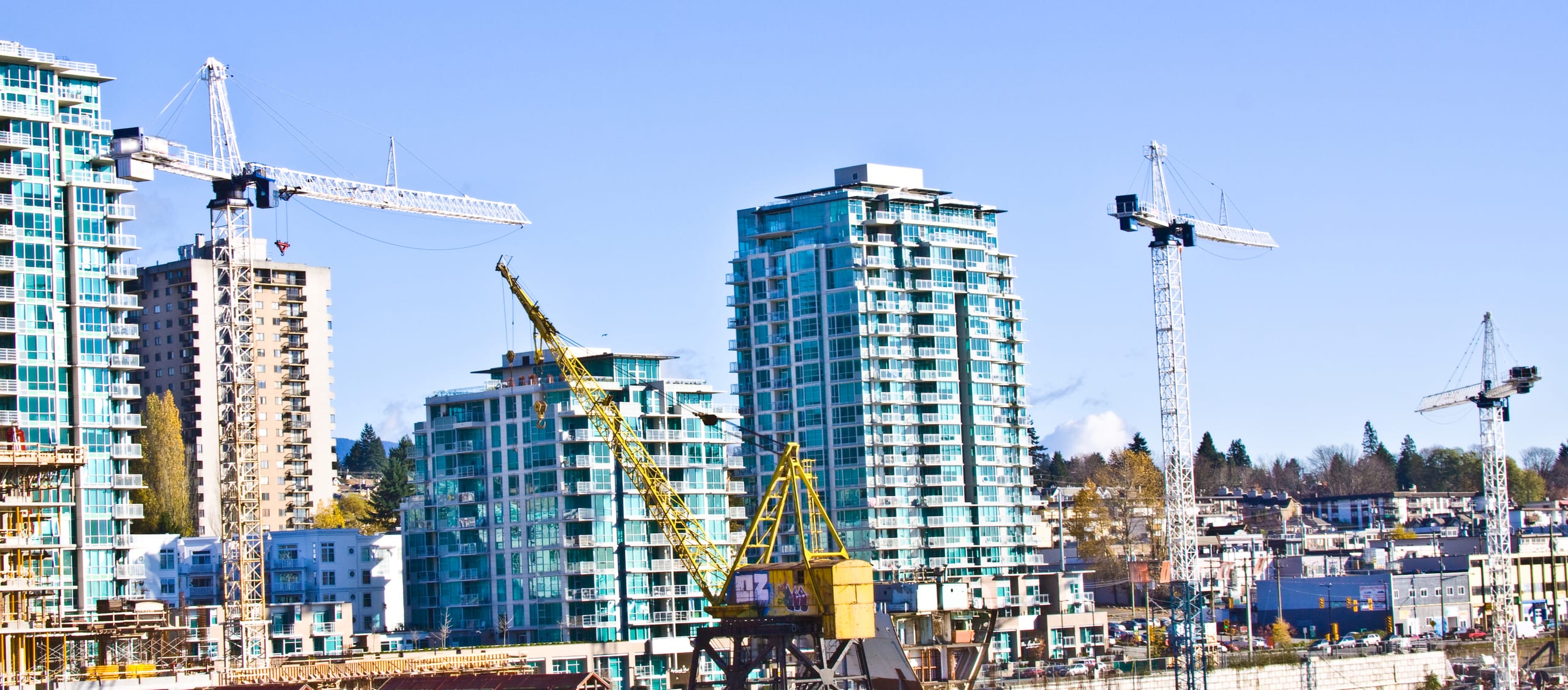
Metro Vancouver's condo construction slump will cut the number of new condos finished each year by more than a third by 2031, Canada Mortgage and Housing Corporation projects. Purpose-built rental construction is filling much of the gap, but the federal housing agency warns it can't fully replace what condos have provided.
In an analysis published Nov. 26, CMHC says annual condo apartment completions in the Vancouver area will fall 37 per cent from their recent peak by 2031. In the Toronto area, the projected drop is 47 per cent.
The Vancouver numbers
CMHC's figures for the Vancouver census metropolitan area show how sharp the drop is expected to be:
- 14,756 condo apartments were completed in 2025, the most in at least 35 years of CMHC data.
- CMHC projects 9,591 completions in 2026 and 8,183 in 2027. That would be the lowest since 2016.
- The projection rebounds to about 14,200 in 2029, as projects already under construction finish, then falls back to about 9,300 by 2031.
Condo projects take a long time to arrive. CMHC says Vancouver projects have taken about three years on average to go from presales to completion, compared with about 4.2 years in Toronto. That means the industry can't quickly ramp up again even if buyers return.
Starts are already falling. In its September Housing Supply Report, CMHC said Vancouver-area condo apartment starts fell 40 per cent further in the first half of 2026, after a weak 2025. That was the weakest first half for condo starts since 2011. Rental apartment starts rose about 36 per cent from 2025, and CMHC's quarterly figures showed rental starts drawing level with condo starts by mid-year. The agency also reported large concentrations of completed but unsold condos in Surrey, the City of Vancouver and Burnaby, with inventory growing fastest in Burnaby.
Why it matters for renters
CMHC's point is that condos have been a big part of the rental supply. In Toronto and Vancouver, individual investors have been the main buyers of pre-construction condo units, and many of those units are rented out. CMHC says those investors have pulled back because of higher borrowing costs, negative cash flow and weak expectations for price and rent growth. Owner-occupiers haven't filled the gap.
Across seven of the largest metro areas (Vancouver, Calgary, Edmonton, Toronto, Ottawa, Montréal and Halifax), the number of rental units under construction passed the number of condo units in 2025. CMHC says it was the first time since the early 1990s. By September 2026, there were about 132,700 rental units under construction in those markets and about 97,800 condo units.
CMHC argues purpose-built rentals are a steadier source of homes for renters. Investor-owned condos can be sold back into the ownership market whenever prices make it worthwhile. Rental buildings usually stay rentals. The agency says purpose-built rental "isn't simply adding to the current stock. It's also partly making up for a source of future rental supply that's becoming less reliable."
Federal financing, and warning signs
Much of the rental boom has been backed by Ottawa. In 2024, CMHC construction financing and mortgage insurance programs supported 88.5 per cent of rental apartment starts in Canada. In 2025, the share fell to 66.5 per cent: CMHC still backed just over 70,000 rental units, but total rental starts rose to about 108,500. CMHC says private lenders are taking a bigger role.
The agency warns the pace may not last. In its 2026 rental developer survey, only 37 per cent of developers were optimistic about whether projects would pencil out in the short term. They cited approval times, government fees and development charges, construction costs and financing conditions. CMHC adds that tariff-related costs and a recent rise in bond yields could make that harder.
Even with strong rental construction, CMHC estimates the Vancouver area is building 5,000 to 7,000 homes a year fewer than it would need to restore pre-pandemic affordability by 2036. With fewer condos coming, it warns, future buyers will compete for a limited supply of ownership housing, "even as rental supply continues to expand."
The provincial picture
B.C.'s new government has signalled a different approach to housing. Premier Lorne Doerkson's mandate letter to Cathie Ounsted, minister of local government, housing, sport and culture, tells her to:
- "restore municipal authority over the location, form and character of housing";
- shorten development approvals;
- overhaul the Step Code energy rules;
- "scrap unnecessary charges that add to construction costs."
The letter to Minister of State for Housing Zeeshan Wahla asks him to cut approvals "from years to months" and to review the building code to reduce construction costs. Neither letter mentions rental housing or presale condos.
Sources: Canada Mortgage and Housing Corporation, "Purpose-built rental sustains supply as condominium construction slows," Nov. 26, 2026; CMHC, Fall 2026 Housing Supply Report, Sept. 10, 2026; mandate letters from Premier Lorne Doerkson to Cathie Ounsted and Zeeshan Wahla, Nov. 24, 2026.