Metro Vancouver's living wage rises to $28.55. Cashiers, cooks and child-care workers are paid far less

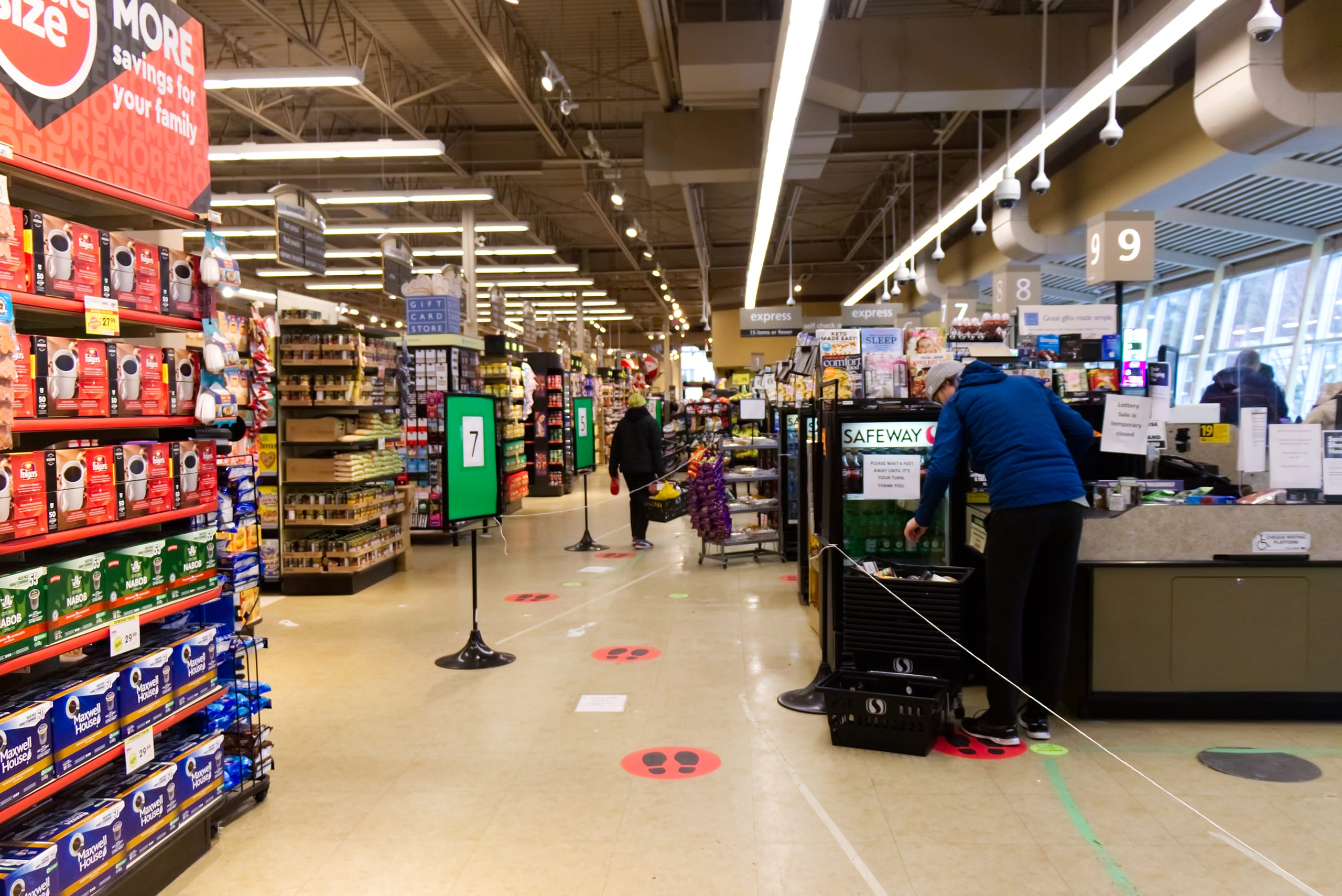
In the spring of 2020, as most of Metro Vancouver stayed home, cashiers kept grocery stores open, cooks and kitchen staff kept food moving, and care aides and child-care workers kept looking after people who could not look after themselves. Six years later, federal wage data show that these are still among the lowest-paid jobs in the region. For most of them, the typical wage falls well short of what a worker needs to get by.
BC Policy Solutions and Living Wage BC, a program of Vancity Community Foundation, released their 2026 living wage calculations last week. It puts the Metro Vancouver living wage at $28.55 an hour, up 70 cents, or 2.5 per cent, from last year. That is the hourly rate a full-time worker needs to cover basic expenses such as rent, food, child care and transportation, after taxes and government benefits, with little left over for extras.
B.C.'s minimum wage is $18.25. The gap between the two is now $10.30 an hour.
The jobs that fall short
On the same day, Employment and Social Development Canada published its annual Job Bank wage estimates by occupation and region. ThinkPol compared the median hourly wage for each occupation in the Lower Mainland–Southwest region, which includes Metro Vancouver, with the new living wage. Of the 454 occupations with an hourly median, 124 fall below $28.55.
Many of the jobs at the bottom of the list are the ones people relied on most during the pandemic:
- Cashiers: median $18.25 an hour, the minimum wage. At least half of the region's cashiers earn the legal minimum.
- Store shelf stockers, clerks and order fillers: $18.25.
- Food counter attendants and kitchen helpers: $18.25.
- Harvesting labourers: $18.25.
- Labourers in food and beverage processing: $19.28.
- Cooks: $20.00.
- Home child care providers: $21.00.
- Pharmacy assistants: $22.00.
- Light duty cleaners: $23.00.
- Couriers and messengers: $23.80.
- Early childhood educators and assistants: $24.00.
- Home support workers and caregivers: $25.00.
Nurse aides, orderlies and patient service associates, the care aides who do much of the hands-on work in hospitals and long-term care, have a median of $28.85, just 30 cents above the living wage. Social and community service workers are at $29.00.
The jobs that pay well tend to be further from the front line. Software engineers and designers in the region have a median of $59.13 an hour, and university professors and lecturers $58.97. Registered nurses, at $50.50, are the main exception among front-line care jobs.
Who is paid less than a living wage
A separate BC Policy Solutions report, published in May using Statistics Canada data, estimated that 501,600 people in Metro Vancouver, 35 per cent of all employees, earned less than last year's living wage of $27.85.
Most of them were not teenagers in their first jobs. Seventy-one per cent were 25 or older. Fifty-four per cent were women, and 74 per cent were racialized, compared with 62 per cent of all employees in the region. Nearly half of all racialized women working in Metro Vancouver, 47 per cent, earned less than the living wage, the report found.
The new living wage report says the squeeze is showing up at food banks. Food Banks Canada recorded more than 250,000 food bank visits in B.C. in March 2026, double the number in 2019, and 21 per cent of food bank users in the province have a job, up from 14 per cent in 2019.
What is driving the cost
Rents have levelled off, the report says, but other costs have not. Food costs in the living wage budget rose 4.1 per cent from last year, and food is now the second-largest expense after housing. Child care and transportation also went up.
Government programs are holding the rate down. The Canada Child Benefit alone lowers the Metro Vancouver living wage by $2.15 an hour; without it, the report says, the rate would be $30.70. The Canadian Dental Care Plan lowers it by about 30 cents. Universal access to $10-a-day child care would bring it down to about $26.60, the report estimates.
Metro Vancouver's rate is not the highest in the province. Of the 22 B.C. communities that released 2026 calculations, Whistler is highest at $30.50, followed by Squamish at $29.05 and Revelstoke at $28.60. Greater Victoria's living wage is $28.20. The lowest is Grand Forks, at $22.15.
Who could pay more
The report asks the province to raise the minimum wage to $20 an hour, which it says would benefit more than 300,000 workers, and to pass pay equity legislation and strengthen protections against wage theft.
Some of the lowest-paid work on the list, such as child care, home support, and cleaning and food service in public buildings, is funded at least partly with public money. The report notes that nine B.C. municipalities are certified living wage employers, which means they pay their own staff a living wage and require major contractors, such as janitorial, security and food service companies, to do the same: Burnaby, New Westminster, the City of North Vancouver, Pitt Meadows, Port Coquitlam, Quesnel, Victoria, Saanich and Fruitvale.
The City of Vancouver is not on that list. Last week, its new council voted to seek re-certification as a living wage employer in time for its 2027 budget.
About the numbers
The Job Bank figures are medians, meaning half of the workers in each occupation earn more and half earn less. Most are based on Statistics Canada Labour Force Survey data from 2024 and 2025, so some wages may have risen since. The living wage is calculated for a full-time worker, while many people in these jobs work part time, which leaves their actual earnings even further below what the living wage budget assumes.
Sources: BC Policy Solutions and Living Wage BC, "Living Wage Report 2026: Calculating what it takes to live in Metro Vancouver and British Columbia" (Nov. 18, 2026); BC Policy Solutions, "Not making enough to live: a third of workers in BC don't earn a living wage" and Metro Vancouver fact sheet (May 28, 2026); Employment and Social Development Canada, Job Bank wages open data, 2026 release (Nov. 18, 2026), Lower Mainland–Southwest economic region. Comparisons of occupational wages with the living wage are ThinkPol calculations.