Algorithmic pricing isn't illegal and the bureau isn't a price regulator, Competition Bureau tells MPs

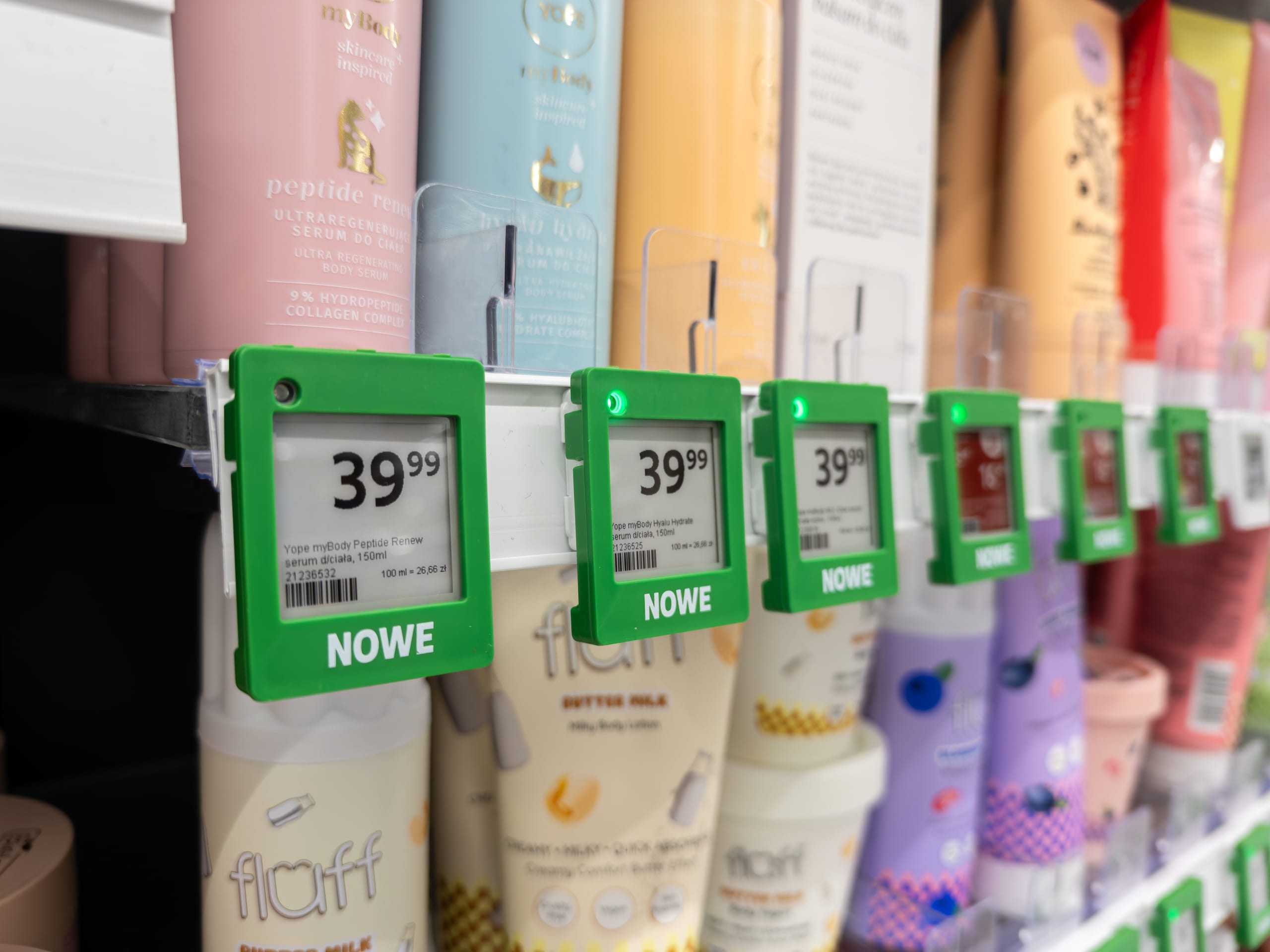
The Competition Bureau told MPs on Monday that using algorithms and artificial intelligence to set prices is not against the law, and that the bureau does not decide what prices should be. Nor, it said, does it write the laws that govern the technology.
Mike Hollingworth, the bureau's acting deputy commissioner for competition promotion, appeared before the House of Commons ethics committee, which is studying how artificial intelligence is used in algorithmic pricing.
"It is important to note that algorithmic pricing is not, in itself, contrary to the Competition Act," Hollingworth said in his opening statement. "Competition law does not focus on particular technologies; rather, our focus is on how firms use these tools and the potential effects that conduct has on competition."
The bureau would act, he said, where software is used to fix prices, coordinate among competitors, entrench market power, shut out rivals or mislead consumers. "It's also important to understand that the Competition Bureau is not a price regulator," he added. "We do not determine what the price of a product should be, and we do not develop the laws or regulations governing these technologies."
The rent-software case ended without charges
Hollingworth pointed to the bureau's investigation of revenue management software sold to landlords by RealPage Canada and Yardi Canada as one of its "concrete enforcement steps" on algorithmic pricing. Software of this kind recommends rents for vacant units, and some versions pool confidential data from competing landlords to do it.
That investigation closed in November 2025 with no finding against either company. In its position statement at the time, the bureau said the software was "not widely used in Canada," and that landlords had "significantly reduced" their use of it after public concern and scrutiny in late 2024. Because adoption was low, the bureau said it could not show that either company was dominant or that the software was substantially harming competition, which is the test under the civil provisions of the Competition Act.
The bureau said it remained concerned and published guidance warning landlords and software vendors about features that could break the law, even if competitor data is anonymized. These include algorithms that draw on rivals' non-public rents, vacancies or concessions; penalties for landlords who override a recommended price; hard price floors that stop rents from falling; and features that let landlords hold units off the market. It said an agreement among landlords to fix prices through such software could also fall under the criminal provisions of the act.
A gas-data case was the first under new powers
The bureau's other example was Kalibrate, a British-owned company whose Kent Data product collects detailed sales information from gas stations across Canada. In September the bureau concluded that the product let competing retailers see confidential figures such as individual stations' fuel volumes, which it said could weaken competition at the pump and amounted to an abuse of Kalibrate's dominant position in gasoline sales data.
Under a consent agreement registered with the Competition Tribunal, Kalibrate must stop sharing retailer-specific data, share only aggregated figures and release them only after a delay. The bureau said it was the first time it had resolved a case by consent agreement under the abuse of dominance provisions as restructured by the 2023 amendments to the act.
What the bureau heard from the public
Hollingworth told the committee that much of what MPs had heard in earlier meetings echoed the bureau's own consultations. A 2024 consultation on artificial intelligence and competition raised concerns that pricing tools could help competitors coordinate, including when rivals rely on the same algorithm or provider. A follow-up consultation on algorithmic pricing ran from June to August 2025 and drew more than 100 submissions.
The bureau's January 2026 summary of that consultation grouped the responses into four themes: dynamic pricing creates efficiencies; algorithmic pricing can lead to anticompetitive behaviour; a lack of transparency about the data used could harm consumers, workers and competition; and rules should address anticompetitive conduct without stifling innovation.
Hollingworth said the act had been strengthened through "three significant rounds of amendments" in recent years and that the bureau is now using new investigative tools. He cautioned that the law requires investigations to be conducted in private, so the bureau might not be able to say whether it is looking at particular companies.
Sources: Competition Bureau, opening statement by Mike Hollingworth to the House of Commons Standing Committee on Access to Information, Privacy and Ethics, Nov. 23, 2026; Competition Bureau position statement on its RealPage and Yardi investigation, Nov. 10, 2025; Competition Bureau news release on Kalibrate consent agreement, Sept. 24, 2026; Competition Bureau, "Consultation on Algorithmic Pricing and Competition: What We Heard," Jan. 22, 2026.