Teck broke B.C.'s anti-scab law at Highland Valley Copper by using newly promoted supervisors, labour board rules

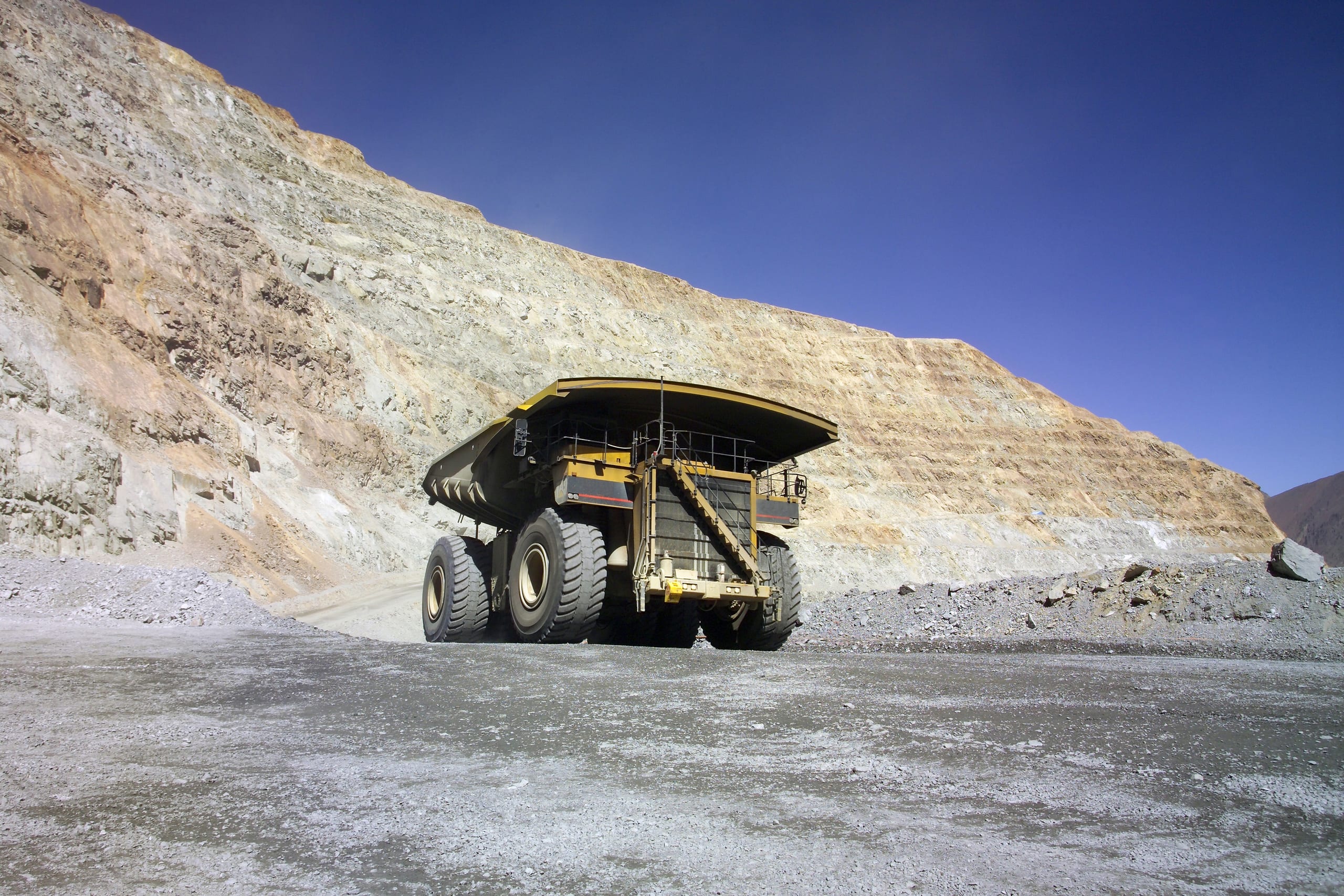
Teck broke B.C.'s ban on replacement workers at its Highland Valley Copper mine during the strike there, the province's Labour Relations Board has ruled. The board set a clear rule: workers promoted into management after bargaining begins cannot be used to do the work of strikers.
In a decision dated Nov. 13, board vice-chair Paul Todd found four breaches of section 68 of the Labour Relations Code at the mine near Logan Lake. More than 1,200 members of United Steelworkers Local 7619 have been on strike there since Oct. 24. Todd ordered Teck Highland Valley Copper Partnership to "cease and desist" using ineligible replacement workers. He turned down the union's request for access to the mine to check for further breaches, and he awarded no damages.
The supervisor question
Two of the four breaches are ongoing, and they carry the most weight. Both concern employees who moved from the bargaining unit into supervisor jobs in 2026. One, a tire-shop worker hired in 2007, finished his supervisor certification in March and formally left the union on June 16. The other was hired as a pipefitter in March, started working supervisor shifts on May 9 and formally left the union on July 24.
Teck argued that both had been working full time as supervisors before bargaining started, which it put at June 9. On that view, they were "transferred" rather than "hired or engaged" during bargaining, and could lawfully keep the mine running.
The board disagreed. While the two worked as temporary supervisors, the collective agreement still set their pay, they kept accruing seniority and they could not discipline workers. The decision says the "fluid situation does not solidify" until an employee signs a new contract and leaves the unit, and both did that after June 9. That made them ineligible to do strikers' work.
Todd said the alternative would let an employer offer management jobs to any of the many workers who fill in as relief supervisors, and so build a strike-breaking workforce "at a time when it cannot hire new employees into such positions." He chose what he called a "bright-line approach" based on each person's employment status on the relevant date.
The other two breaches were smaller. A retired worker whom Teck rehired into a non-union role in October helped in the instrumentation shop twice, which the company admitted. And on Oct. 28, a contractor working on the mine's life extension project graded snow off a road that union members normally maintain.
The board rejected a fifth complaint. The union pointed out that after the strike began, a water-systems consultant's name replaced the union's chief operator on the provincial database for the mine's drinking-water and wastewater systems. The board found the consultant never set foot on the site and did no union work. He withdrew within days, citing "pressure he was facing."
No access to the mine
The union asked for an order letting its representatives enter the mine, or failing that a board investigator, because it says it cannot see what is happening across a site that spans many square kilometres. Local president Kyle Wolff testified that members had seen buses with blacked-out windows and contractors covering the logos on their trucks.
Todd called an access order "extraordinary." He found no evidence that Teck had tried to hide what the supervisors were doing, and noted that Teck had decided to move them into management before bargaining began, so it had not hired them "with the intention of defeating the strike." He also noted Wolff's concession that up to about 480 non-union staff may be going into the mine, and that threats had been made during the dispute, though Wolff did not agree they came from union members. Because this was the first breach found in the strike, no damages were awarded.
Wolff told The Tyee the union has about 30 more reports of replacement work that it plans to take to the board. Teck spokesperson Sarah Payne said the company will comply with "all applicable requirements" of the code.
A strike under pressure
The strike is the local's first in more than three decades. The union says the main issues are wages, a proposed 25 per cent cut to future pension contributions, staffing shortages and safety. On Nov. 6 the B.C. Federation of Labour declared copper and molybdenum concentrate from the mine "hot," asking affiliated unions not to load, ship or handle it. Federation president Sussanne Skidmore said Teck "believes they can wait out their workers and operate around this strike and BC's anti-scab law."
B.C. has banned replacement workers since 1993. Quebec has had a similar law since 1977, and a federal ban for federally regulated workplaces took effect in June 2025.
Sources: B.C. Labour Relations Board, Teck Highland Valley Copper Partnership, 2026 BCLRB 349 (Nov. 13, 2026); B.C. Federation of Labour and United Steelworkers, Nov. 6, 2026; The Tyee.