Ottawa lines up 19 carbon removal projects, two in B.C., to cover federal emissions it cannot cut

Ottawa has lined up 19 Canadian projects that remove carbon dioxide from the air and will let federal departments buy credits from them to cover emissions it says cannot yet be cut, such as those from military aircraft and ships.
Treasury Board President Shafqat Ali announced Thursday that the government has set up a national master standing offer for carbon dioxide removal credits. A standing offer is a pre-approved supply arrangement: it sets the terms and the suppliers, but no department is obliged to buy anything until it places an order. The offers run until March 31, 2029, with an option to extend them to 2031. The government did not say how many tonnes it expects to buy or at what price.
The only spending figure on record is modest. In October 2024, the government committed to buy at least $10 million in carbon removal credits by 2030. Ottawa says it is the first national government to run a competitive procurement for permanent carbon removal.
Two B.C. projects on the list
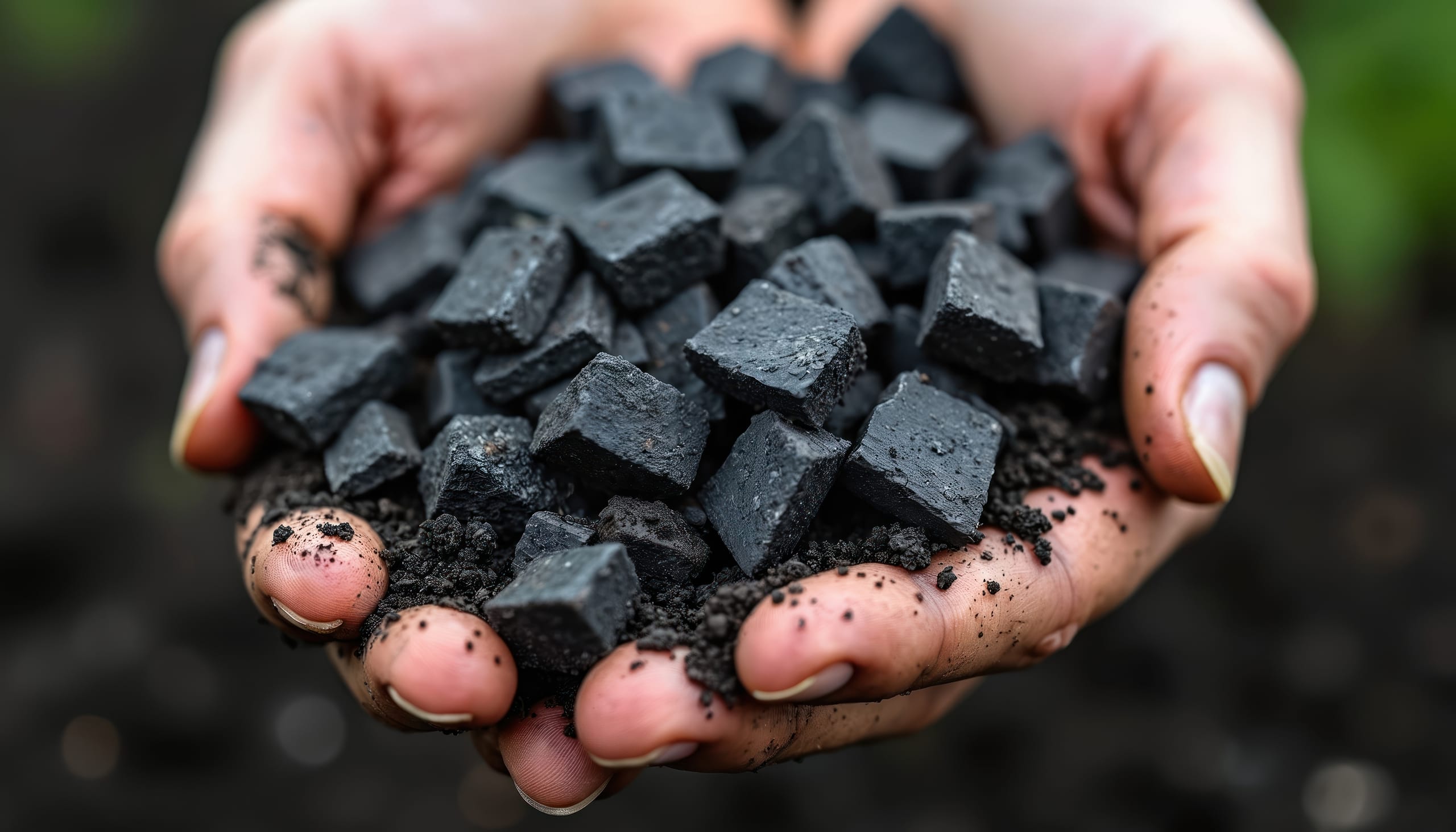
The 19 projects fall into five groups. Four capture carbon dioxide directly from the air, including two by Montreal-based Deep Sky in Alberta and Quebec. Three generate energy from biomass and bury the resulting carbon dioxide. Five make biochar, a charcoal-like material made by heating wood or crop waste, which locks up carbon for centuries. Four store plant material underground or in engineered vaults, and three speed up the natural reaction that binds carbon dioxide to crushed rock.
Two of the suppliers are in British Columbia. Cariboo Carbon Solutions is listed twice, for a biochar project and a separate biomass storage project, both on Vancouver Island. Safi Enterprises has a biochar project in Salmon Arm. Other projects include one led by the Pessamit Innu First Nation in Quebec that aims to reduce wildfire risk by removing forest biomass and storing its carbon. The government said the list includes "majority Indigenous-owned projects," and that four of the suppliers have received funding from Natural Resources Canada's Energy Innovation Program.
Offsetting what the military burns
Under the federal Greening Government Strategy, departments must cut their own emissions as close to zero as possible by 2050 and remove an equal amount of carbon dioxide from the air to cover the rest. National Defence's fleets of aircraft and ships are the main example the government gives of emissions that are hard to eliminate. Defence Minister David McGuinty said carbon removal would "lower the impact of our fleets on the environment."
Carbon removal is different from ordinary carbon offsets, which typically pay someone to avoid emissions, for example by protecting a forest that might otherwise be cut. Removal credits pay for carbon dioxide that has actually been taken out of the atmosphere and stored. The government said the projects must follow scientific protocols and be independently verified and certified. It did not name the standards.
The purchases are small next to private demand. Frontier, a buyers' group that includes Stripe, Alphabet, Shopify and Meta, has committed to buy $1 billion US in carbon removal by 2030. Na'im Merchant of the industry group Carbon Removal Canada said government purchases show "investors and project developers that there's a real market for this work here at home." Ottawa describes the program as a pilot that will shape its longer-term approach to carbon removal.
Sources: Treasury Board of Canada Secretariat news release and backgrounder, Nov. 19, 2026; Greening Government Strategy.