How police seize guns over safety fears, and how they come back: the law behind the Tumbler Ridge questions

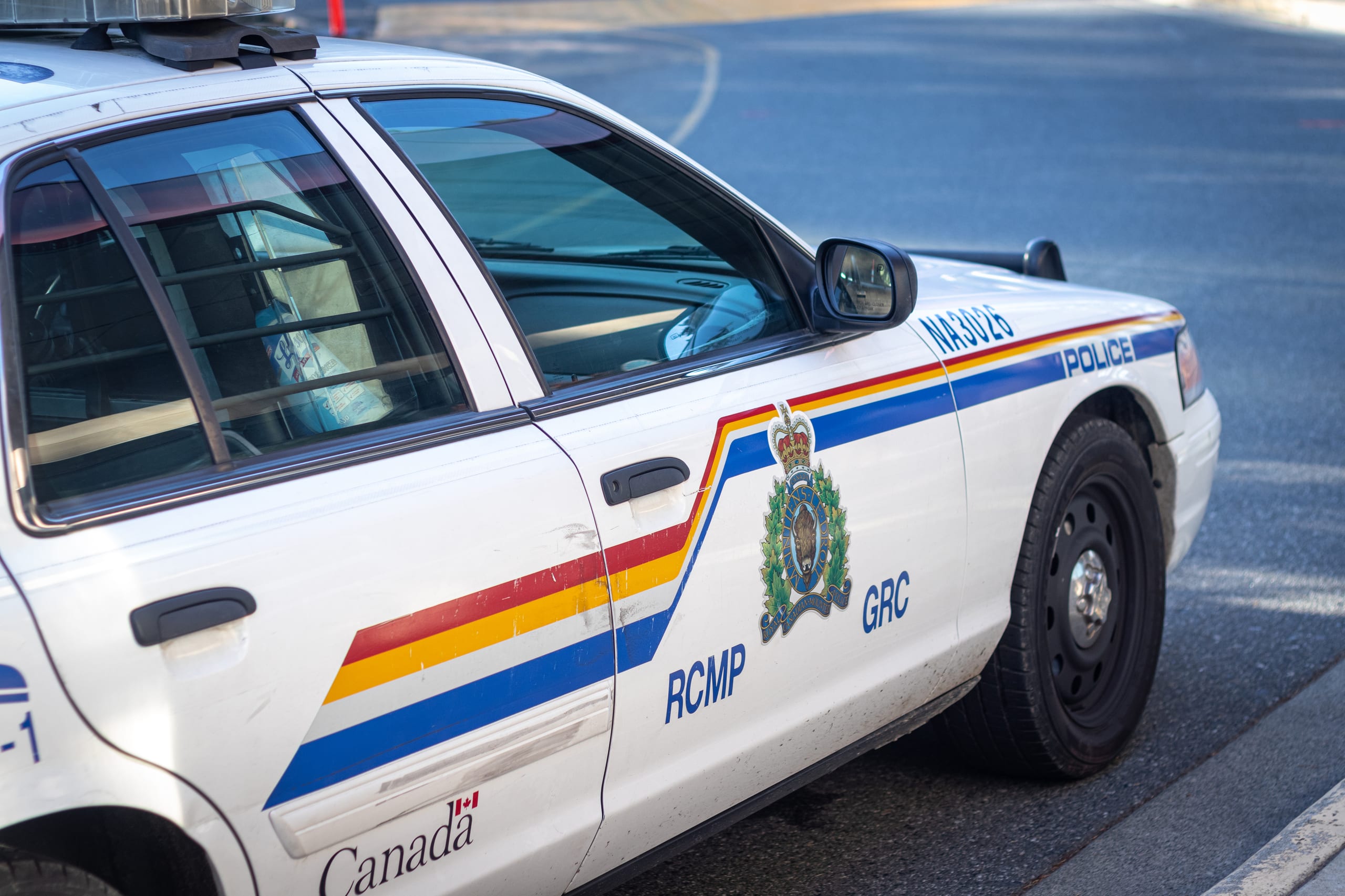
Nine months after the Tumbler Ridge shooting, the public still does not know the key fact about the guns: whether a firearm the RCMP once seized from the shooter's family home, and later returned, was used in the attack. The Canadian court file on the seizure and return is under a publication ban. A media consortium that includes CBC News is fighting for access. The RCMP says the ban limits what it can say.
The law that governed that seizure is public, though. Here is how it works, taken from the Criminal Code and the Firearms Act, and what is and isn't known about how it was used in this case.
What is known about the guns
On Feb. 10, 2026, Jesse Van Rootselaar, 18, killed two family members at a home in Tumbler Ridge. She then killed six people at Tumbler Ridge Secondary School before dying of what police said appeared to be a self-inflicted injury. Two others were seriously wounded.
In a Feb. 13 update, the RCMP said it was analyzing two firearms seized from the school, "a long gun and a rifle that had been modified." It was also analyzing two firearms, including a shotgun, seized "among a number of other firearms" at the residence. The RCMP said the shotgun believed to have been used at the home "has never been previously seized by police." It also said the main firearm believed to have been used at the school "has never been seized by the RCMP and its origin is unknown."
At a news conference on Feb. 11, the commanding officer of the B.C. RCMP, Deputy Commissioner Dwayne McDonald, said police had attended the home several times in previous years, some of those times over mental-health concerns. He said police had seized firearms from the home years earlier, and that their lawful owner had petitioned a court and had them returned.
Court filings in the United States have since raised questions about that account. They come from the case of James Cody Bryant, a Washington state resident charged with conspiring to commit murder in connection with the shooting. Bryant is presumed innocent, and the filings' claims have not been tested in court.
- The FBI's criminal complaint, filed Oct. 2 in Seattle, says Van Rootselaar told Bryant about six months before the shooting that she had taken guns and ammunition from her family's gun safe. It quotes a December 2025 message in which Van Rootselaar complained that police had knocked the sights of "my SKS" off when they "roughly confiscated it."
- A Nov. 18 motion by Bryant's lawyers, as reported by CBC News, says the RCMP returned a gun that had been altered to fire more rapidly, "with the alteration intact." It says Van Rootselaar then used that gun in the shooting.
The RCMP has not reconciled those claims with its February statements. In a July 7 statement, it said its criminal investigation remains open, investigators were "completing the firearms assessments," and charges have not been ruled out. A coroner's inquest is also expected.
Step 1: Seizure without a charge
Police do not need to charge anyone to take guns away over safety concerns. Section 117.04 of the Criminal Code lets a justice issue a warrant to search for and seize weapons, ammunition and licences if there are reasonable grounds to believe "it is not desirable in the interests of the safety of the person, or of any other person" for that person to possess them. If waiting for a warrant would be dangerous, an officer can seize them without one. The officer must then "immediately" report to a justice.
If police cannot also seize the person's firearms licence at the time, the person's licences and registration certificates are automatically revoked as of the moment of the seizure.
The section covers weapons "held by or in the possession of the person." That matters in a household where the person police are worried about is not the legal owner of the guns.
Step 2: A 30-day clock
Under section 117.05, police have 30 days from the seizure to apply to a justice for an order disposing of the seized items. The justice sets a hearing date and decides who must be notified. At the hearing, the justice hears "all relevant evidence." If the justice finds it is not desirable for safety reasons that the person possess weapons, the justice must order the items forfeited. The justice may also prohibit the person from possessing weapons for up to five years.
If the justice declines to make those orders, the justice must record reasons. The Crown can appeal that decision to a superior court, and the person can appeal an order made against them.
Step 3: When the guns go back
Section 117.06 says seized items "shall be returned" to the person they were taken from in two situations:
- Police do not apply for a disposition order within the 30 days.
- Police apply, but the justice does not make the safety finding.
In either case, the justice can also reverse the automatic licence revocation.
Return is the default, not something an owner has to win. That is why the 30-day application, and the evidence police bring to the hearing, matter so much.
When the guns belong to someone else in the home, the law has another tool. Under section 117.011, police or a firearms officer can ask a provincial court judge to put conditions on how a person stores and controls guns. A judge can make that order if the person lives with someone who would or might have access to the guns. But the order applies only if that other person is already subject to a weapons prohibition order. If no prohibition order is ever made against the person police are worried about, this section does not apply.
Criminal defence lawyer Silvia Badea told CBC that an owner seeking a return would probably have to show how the guns would be kept away from the person at risk, and that a judge, not police, makes the call. What the owner in this case told the court, and what conditions if any were imposed, is in the sealed file.
The licence side
A separate track runs through the provincial chief firearms officer under the federal Firearms Act. Section 5 says a person is not eligible for a licence if it is "desirable, in the interests of the safety of that or any other person," that they not have firearms. In deciding, officials must consider certain mental-health history: whether the person has been treated for a mental illness "associated with violence or threatened or attempted violence." They must also consider any history of violent or threatening behaviour. Under section 70, a chief firearms officer can revoke a licence "for any good and sufficient reason." The licence holder can challenge a revocation before a provincial court judge, and the holder bears the burden of proof.
'Red flag' orders since 2023
Bill C-21, passed in 2023, added a route that does not depend on police. Under section 110.1, "any person" can apply without notice to a provincial court judge for an emergency order. The order prohibits someone from possessing firearms for up to 30 days if there are reasonable grounds to believe that is necessary for safety. The hearing can be held in private to protect the applicant. Police can then search for and seize the guns. A similar ex parte order under section 117.0101 can put conditions on a gun owner's use and possession of firearms when they live with someone who is subject to a prohibition. A longer prohibition of up to five years still requires an application under section 111, which only a police or firearms officer can bring.
None of these steps can be checked against what happened in Tumbler Ridge until the court records are released. That depends on the outcome of the media consortium's bid for access.
Sources: Criminal Code, ss. 110.1, 111, 117.0101, 117.011 and 117.04–117.06, and Firearms Act, ss. 5, 70, 74 and 75 (Justice Laws Website, current to November 2026); B.C. RCMP news releases of Feb. 11, Feb. 13 and July 7, 2026; criminal complaint, United States v. James Cody Bryant, No. MJ26-618, U.S. District Court for the Western District of Washington, filed Oct. 2, 2026; CBC News, Nov. 26, 2026.