Budget 2026 would hand Canada's four biggest airports to private operators for up to 50 years

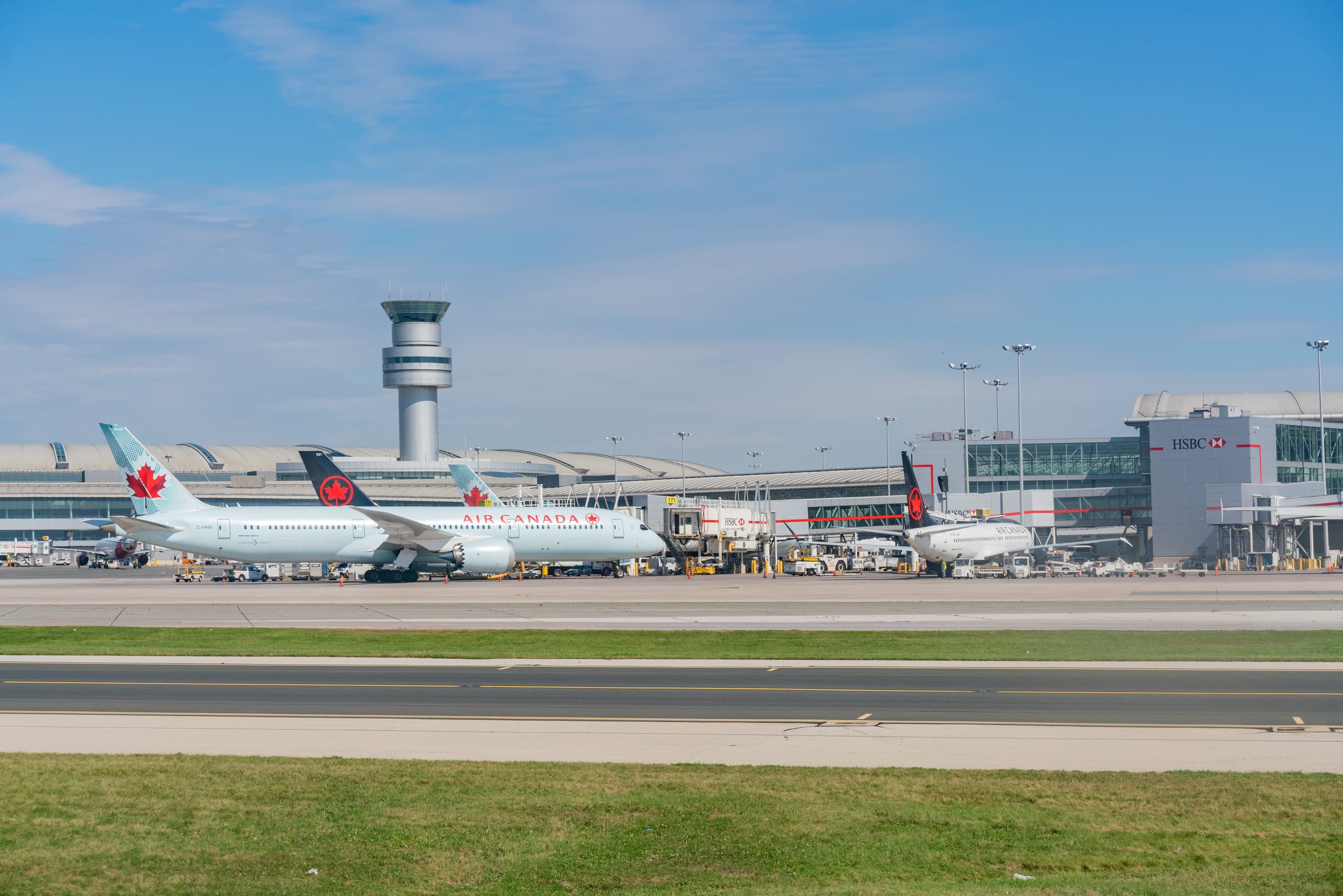
Ottawa plans to hand the operation of Canada's four largest airports to private investors for up to half a century, under a plan tucked into Budget 2026.
The budget calls it "mobilising private investment to modernise Canada's airports." Under long-term operating concessions, private operators such as Canada's pension funds would run the airports for 40 to 50 years. The federal government would keep ownership of the land and the assets.
The budget does not name the four airports. By passenger traffic, Canada's four busiest are Toronto Pearson, Vancouver, Montréal-Trudeau and Calgary.
A shift from not-for-profit authorities
Canada's major airports are currently run by not-for-profit airport authorities that lease the sites from the federal government and pay it ground rent. The budget credits those authorities with building and maintaining "a safe and reliable airport system for more than three decades," but says meeting growing demand, keeping travel affordable and improving the passenger experience "will require additional investment and expertise."
The new model, which the budget says has been "used successfully in other countries," would put day-to-day operations, maintenance and investment in the hands of experienced investors and operators. The government says private investment and expertise would drive innovation and growth, increase capacity and efficiency, and improve airport services and facilities.
The budget avoids the word privatization, stressing that the airports would remain publicly owned. But for the length of a concession, the people running the airports and making investment decisions would be private, profit-seeking operators rather than not-for-profit authorities.
Fees and oversight
The airport fees built into the price of an airline ticket would be subject to "clear rules to protect travellers from unreasonable increases," the budget says, and operators would face "strong oversight." A chart in the budget lists the areas those rules would cover: affordability, service standards, investment requirements, protections for workers, safety and security, reporting and oversight, and regional connectivity.
The budget does not spell out how fee increases would be capped or how the oversight would work. It says Ottawa will introduce legislation to set up the concessions and give the government the authority to carry out the deals.
Canadians would also get a direct share, the government says, through equity stakes in each concession for the Canada Strong Fund, a new public investment fund created in the budget, and for local Indigenous communities.
The timeline
The budget sets aside $37.6 million over three years, starting in 2026-27, to launch the first concession. The money will pay for due diligence, a concession framework, specialized commercial and legal advice, and a competitive process to choose an operator by early 2029.
Where the money goes
The government says proceeds from the concessions will be reinvested across the air transportation system, including regional airports, air links between communities and local transportation infrastructure. It also floats using the money to help finance "a sovereign broadband backbone" connecting Canadians coast to coast, with more direct and secure links to Europe and Asia.
Using concession proceeds, Ottawa also plans to:
- support new air routes and invest in smaller airports in regional, remote and northern communities;
- adjust the ground rent formula for airports that stay under the current not-for-profit model;
- introduce legislation on airport fee transparency, performance reporting and governance; and
- expand the Airports Capital Assistance Program to cover smaller airports in the National Airports System.
Details of these measures will be released "over time," the budget says.
Separately, the budget proposes $4.3 million over four years for Transport Canada to develop a Traveller Biometrics Strategy, which could include digital credentials to move travellers through airports and border points faster. A special adviser will be appointed to lead the work.
The airport plan sits alongside a wider push in the budget to "get more value from public assets," which also includes exploring the sale of some federal commercial assets.
Source: Government of Canada, Budget 2026, "Mobilising private investment to modernise Canada's airports," Chapter 1, pp. 120–122, and Chapter 6.