U.S. and Mexico lose measles elimination status as Canada breaks its outbreak chain

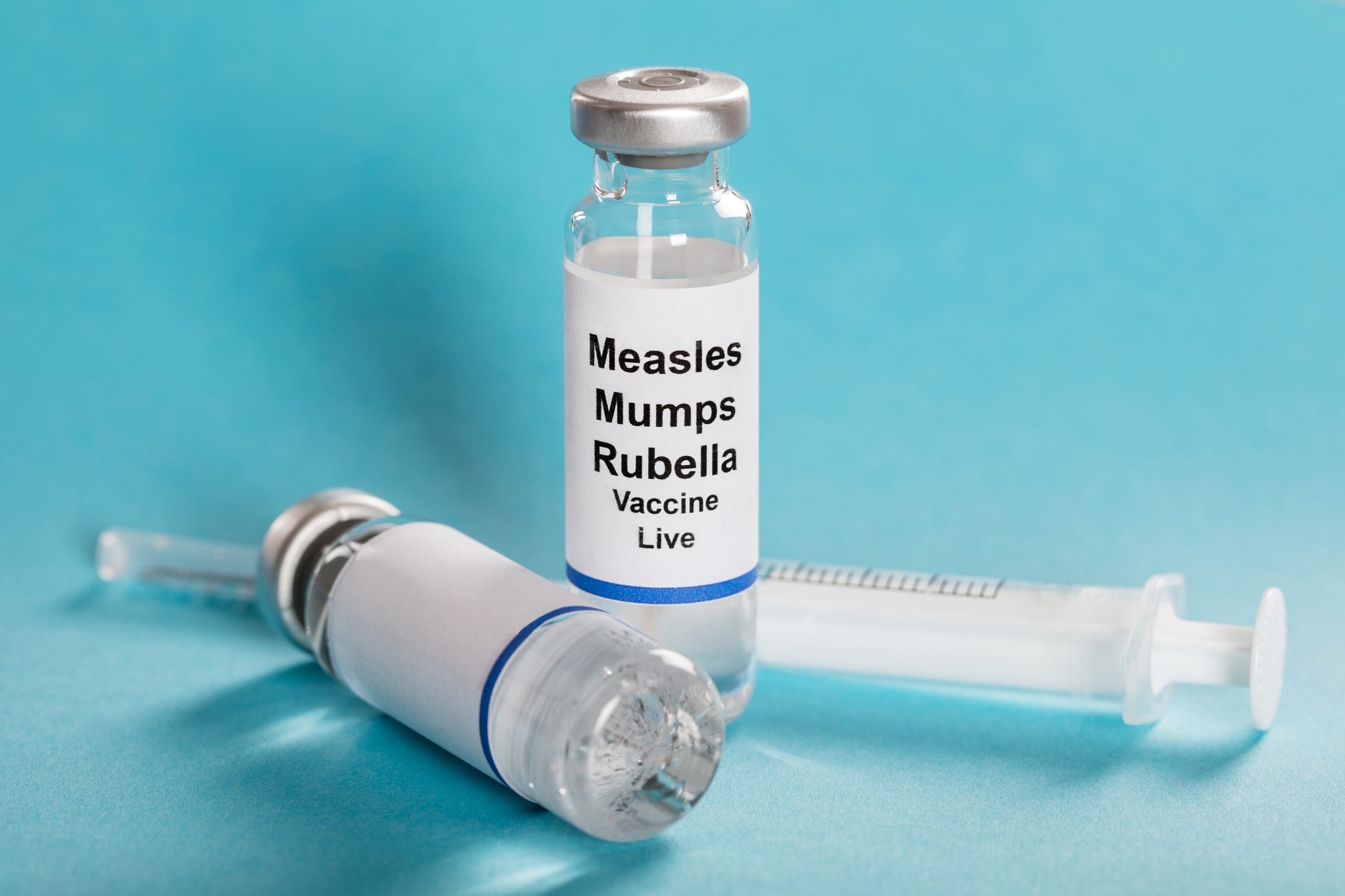
The United States, Mexico and Bolivia have lost their measles elimination status, the Pan American Health Organization announced Tuesday, a year after Canada lost its own. PAHO also said Canada has now stopped the chain of transmission that cost it the status and is working to win it back.
A country loses elimination status when the same strain and lineage of measles virus spreads within it without interruption for 12 months or more. PAHO's independent commission on measles elimination reviewed the evidence at a Nov. 10–13 meeting and found that endemic transmission had been re-established in all three countries. PAHO Director Jarbas Barbosa accepted its findings.
"Losing measles elimination status is much more than losing a public health designation," Barbosa said. "It means the virus has circulated for a prolonged period, putting families and communities at risk of preventable illness, hospitalization and death."
Cases across the Americas up more than fourfold
As of Nov. 13, countries in the Americas had reported 58,213 confirmed measles cases and 82 deaths this year, compared with 12,806 cases at the same point last year, according to PAHO.
In the United States, this is the worst year for measles since 1991, with more than 5,400 confirmed cases, double last year's total, and 10 measles-associated deaths, the Associated Press reported. The outbreaks began in close-knit Mennonite communities and spread to other areas with low vaccination rates. Major outbreaks in Texas, South Carolina and Pennsylvania have driven the totals. Mexico's resurgence included a large outbreak in Chihuahua state.
The Americas became the first region in the world to eliminate measles in 2016. It lost that status when Venezuela and Brazil saw sustained transmission in 2018 and 2019, regained it in 2024, and lost it again in November 2025 after sustained transmission in Canada. PAHO called the latest losses "a further deterioration" that makes restoring elimination "more challenging."
Canada's chain broken
PAHO said Canada "has interrupted the chain of transmission associated with the outbreak that led to its loss of status and is working to regain elimination status." To regain it, a country must show it has gone at least 12 months without the same lineage circulating. PAHO expects the U.S., Mexico and Bolivia to submit plans in the coming weeks to do the same.
Measles is one of the most contagious diseases known. One infected person can pass it to as many as 18 people who are not immune, and it can cause pneumonia, brain swelling, blindness and death. PAHO says at least 95 per cent of people in every community need both doses of the vaccine to stop outbreaks, and that national averages can hide pockets of low coverage where the virus spreads.
"This is a serious warning for our Region, but it is not an irreversible setback," Barbosa said. "We know how to prevent measles, and we know how to stop its transmission."
Sources: Pan American Health Organization news release, Nov. 17, 2026; The Associated Press; The BMJ.