



Health Canada finds bacteria in injectable peptides sold online, seizes 11,400 vials
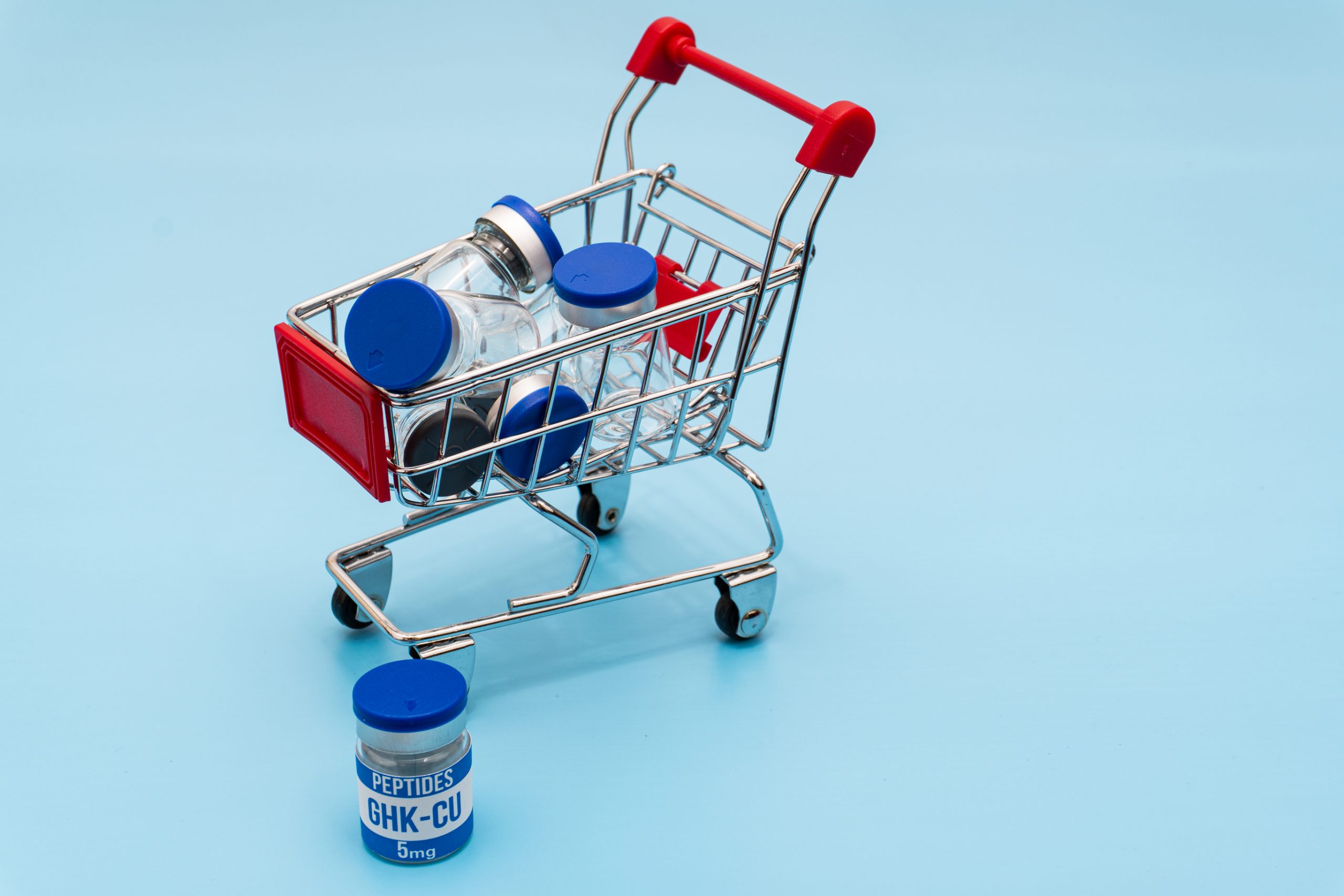
Health Canada is warning Canadians not to buy or inject unauthorized peptide drugs sold online, after lab tests found bacteria in vials linked to a Chinese supplier. The department says it seized more than 11,400 vials and shut down two Canadian websites that were reselling the products.
The advisory, issued Nov. 6, concerns products sold by Shanghai ERP Peptide Biotechnology Co., Ltd. Health Canada tested seized vials and found bacteria including Acinetobacter seifertii, Acinetobacter nosocomialis and Cutibacterium acnes (formerly Propionibacterium acnes).
Injecting contaminated products can cause serious infections, hospitalization and, in severe cases, life-threatening sepsis, the department said. The risk is higher for people with weakened immune systems.
What was seized
Health Canada named six products as examples of the unauthorized injectables sold by ERP Peptide:
- human chorionic gonadotropin (hCG)
- MOTS-c
- NAD+
- retatrutide
- tesamorelin
- tirzepatide
The advisory also pictured vials labelled “NJ-500mg” and “TR-60mg.”
Health Canada traced the products to two Canadian online retailers, truenorthbiolabs.ca and bcaxiompeptide.com. The department obtained court-issued entry warrants and seized unauthorized drugs from both. It says both websites are no longer active.
Health Canada has asked ERP Peptide to stop selling peptides into Canada immediately, and is working with the Canada Border Services Agency to stop shipments at the border.
Why peptides are a growing concern
Peptides are short chains of amino acids. Several are sold online with claims about weight loss, muscle growth, anti-aging or general wellness, often labelled “For Research Use Only – Not for Human Consumption.”
In Canada, injectable peptides are generally regulated as prescription drugs. They should only be used under a licensed health professional’s care, to treat specific conditions.
Some products on the list share names with approved medicines. Tirzepatide, for example, is the active ingredient in prescription weight-loss and diabetes drugs. But versions sold online without authorization have not been assessed by Health Canada for safety, effectiveness or quality, and buyers have no way of knowing what is actually in them.
According to the department, unauthorized peptides may contain too much, too little or none of the active ingredient, or unlisted and dangerous ingredients. They may also contain contaminants such as solvents, heavy metals, glass or plastic particles, bacteria, fungi or endotoxins.
Self-injecting unauthorized peptide drugs also carries the risk of hormonal imbalance, mood swings, blood sugar problems, liver or kidney damage, blood clots and the growth of cancerous tumours, Health Canada said.
What to do
- If you’ve used these products and develop redness, swelling or pain at the injection site, fever, chills, or otherwise feel unwell, get medical attention right away. These can be signs of a serious infection.
- Check for a DIN. Prescription drugs authorized in Canada have an eight-digit Drug Identification Number on the label. You can also search Health Canada’s Drug Product Database.
- Buy prescription drugs only from licensed pharmacies, and only when they’re prescribed to you.
- Dispose of unauthorized peptides through your municipality’s hazardous waste program, or return them to a pharmacy.
- Report side effects or complaints to Health Canada.
Health Canada says it will continue seizing and testing products and disrupting distribution channels to keep unauthorized peptides off the Canadian market.
Source: Health Canada, “Public Advisory – Health Canada warns about contaminated unauthorized injectable peptides and non-peptide drugs,” Nov. 6, 2026.
