



New apartment buildings raise rents for low-income neighbours, study finds
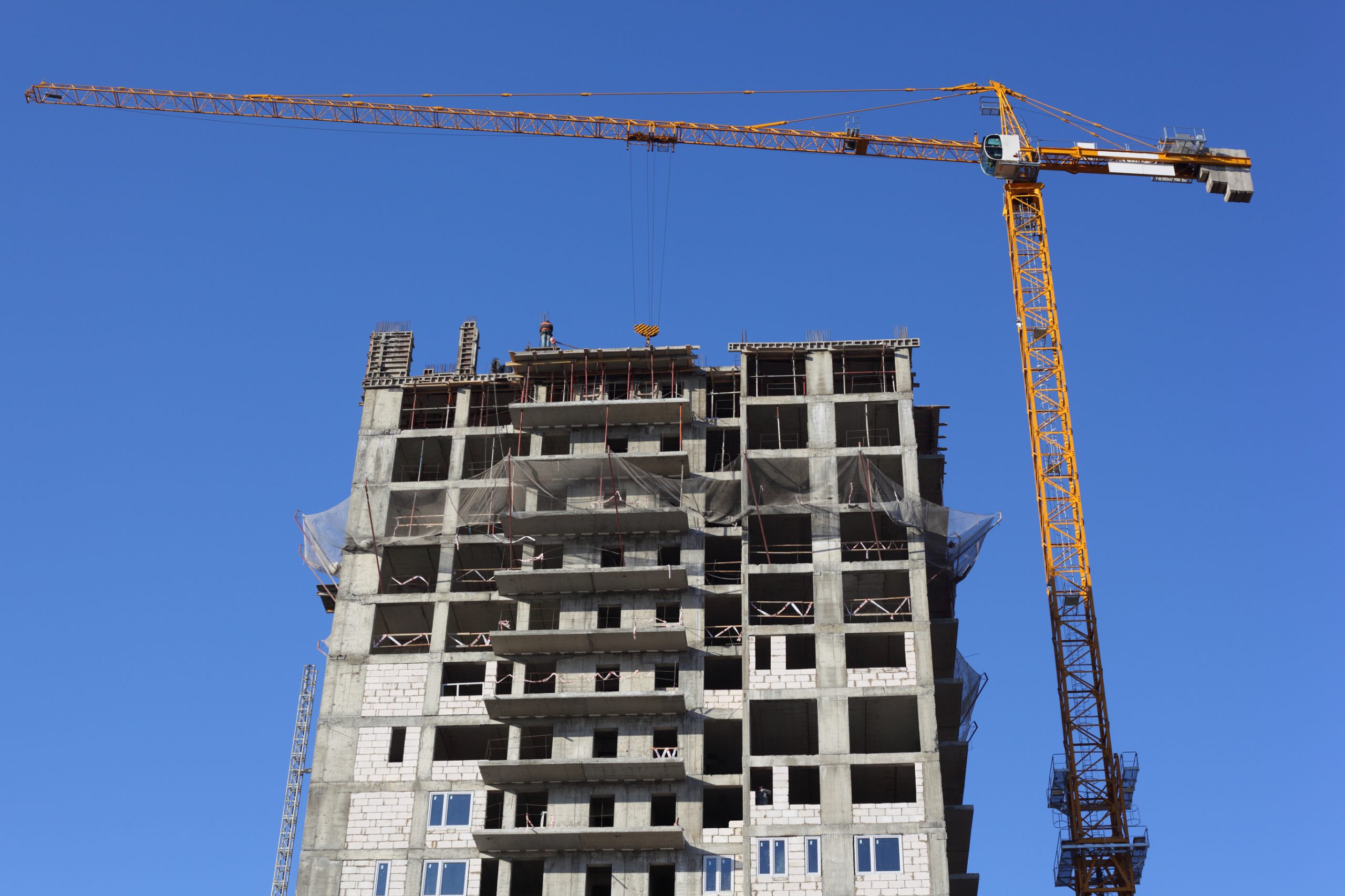
A widely cited argument in housing policy holds that building more market-rate apartments will, over time, reduce rents for everyone. A new peer-reviewed study challenges that premise — at least at the neighbourhood level — finding that new construction raises rents for lower-income renters nearby while modestly lowering them for higher-end ones.
The research, published in the Journal of Urban Affairs, examined how new large apartment buildings (more than 50 units) affected rents in surrounding buildings across Minneapolis, Minnesota, using a detailed panel of building-level rental data spanning 2000 to 2018.
Split outcomes across the rental market
Authors Anthony Damiano, a senior research associate at the University of Minnesota’s Center for Urban and Regional Affairs, and Chris Frenier of the Health Care Cost Institute found that looking at average rent effects conceals starkly different outcomes depending on what kind of housing already exists nearby.
In lower-priced rental buildings situated close to newly constructed market-rate apartments, rents were 4.4 percent higher in the five years after construction compared with similar low-cost buildings farther away. The effect ran in the opposite direction for higher-priced housing: rents in those buildings near new construction were 1.7 percent lower.
When the researchers looked at the housing market as a whole — without breaking it into quality segments — new high-end construction appeared to have no net effect on rents. That aggregate null finding, they argue, is misleading.
What’s driving the divergence
The study draws on housing submarket theory, which holds that rental units don’t all compete in one undifferentiated market. High-end units and low-cost units serve different tenants and respond to different pressures. When a luxury apartment tower opens in a neighbourhood, it may attract higher-income renters who bid up surrounding lower-cost housing, while simultaneously softening demand at the top of the market.
This dynamic — sometimes called “upward filtering” pressure on affordable units — is distinct from the more familiar “filtering down” model, in which new high-end housing eventually becomes affordable as it ages. The Minneapolis data suggest both processes can occur simultaneously, in different segments of the same local market.
Policy implications
The findings add nuance to debates over “build baby build” housing supply policies that have gained traction across North American cities in recent years. Proponents argue that permitting more construction — particularly dense, multi-unit housing — will increase overall supply and ease affordability. The study does not dispute that broad supply effects may exist at the metropolitan scale, but it raises concerns about neighbourhood-level consequences for lower-income renters.
Damiano and Frenier write that housing interventions focused solely on aggregate outcomes “may miss important and nuanced effects across different parts of the market.” Their results suggest that new market-rate construction near low-cost housing stock may accelerate displacement pressures for existing lower-income tenants, even as it modestly restrains rents in the higher-end segment.
The study was supported by the Minnesota Housing Partnership.
Source: Damiano, A. & Frenier, C. (2026). “Build baby build? Housing submarkets and the effects of new construction on existing rents.” Journal of Urban Affairs. https://doi.org/10.1080/07352166.2026.2628685
