



New wearable sweat sensor uses pH to accurately track blood sugar during exercise
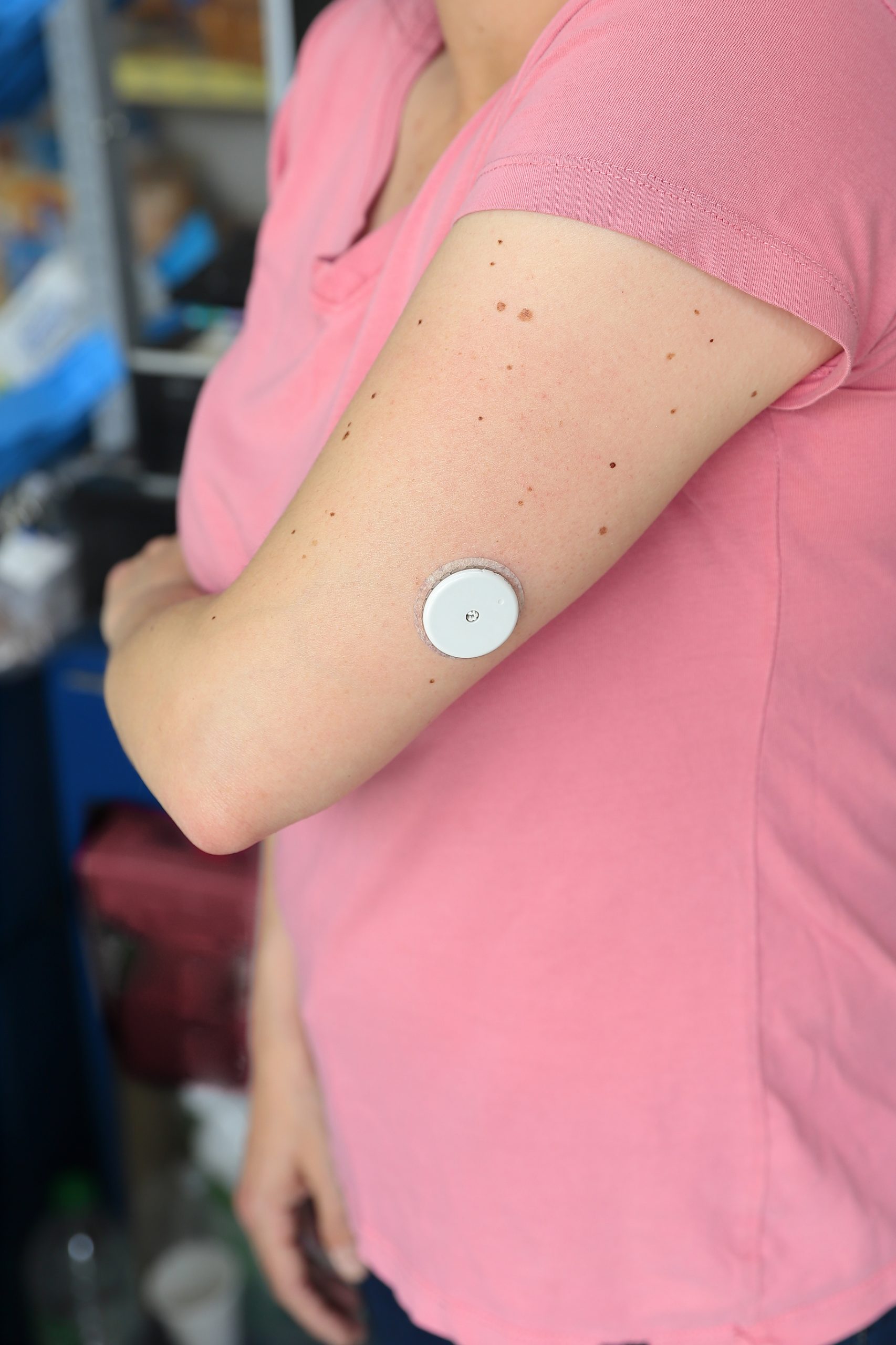
Researchers have developed a wearable sweat sensor that can continuously track blood glucose levels during exercise — a breakthrough that could transform how people with diabetes manage their condition while staying active.
The device, described in a study published today in the Proceedings of the National Academy of Sciences, uses a flexible wireless patch that simultaneously measures glucose and pH levels in sweat. What sets it apart from previous attempts at sweat-based glucose monitoring is its novel pH-based correlation model, which solves a problem that has long plagued the field: the weak and unreliable relationship between glucose concentrations in sweat and blood.
Why sweat glucose has been unreliable — until now
Monitoring blood glucose through sweat has been an appealing idea for years. Unlike finger-prick tests or implanted continuous glucose monitors, a sweat-based sensor would be entirely noninvasive. But the glucose that ends up in sweat has to travel from blood plasma through interstitial fluid and then through the sweat glands via a process called paracellular transport — and along the way, it gets diluted and filtered in ways that make raw sweat glucose readings a poor proxy for actual blood sugar levels.
The research team, led by scientists at the Chinese Academy of Sciences, Penn State University, and King’s College London, found that sweat pH is the key to correcting these errors. As the body exercises, sweat pH shifts, which affects both the enzymatic activity of the glucose oxidase sensor and the degree of glucose dilution during transport. By measuring pH alongside glucose and feeding both values into their correlation model, the researchers could accurately reconstruct what was happening in the bloodstream.
Tested on healthy and diabetic subjects
The platform was validated in both healthy individuals and patients with diabetes. The results revealed distinct blood glucose dynamics between the two groups — patterns that were captured in real time by the wearable sensor during exercise sessions.
In one set of experiments, participants consumed different types of food before exercising. The sensor tracked the resulting glucose fluctuations, showing how various foods affected blood sugar during physical activity. For diabetic patients, this kind of continuous monitoring could flag hypo- or hyperglycemic episodes as they happen, rather than after the fact.
Implications for diabetes management and prevention
The researchers say their platform goes beyond passive monitoring. By combining continuous glucose data with exercise context, it could help clinicians evaluate how well a diabetes treatment is working during exercise therapy — a growing area of diabetes care that relies on physical activity to improve insulin sensitivity.
Perhaps more significantly, the team argues the technology could serve as an early warning system for people who are at risk of developing diabetes but haven’t yet been diagnosed. By tracking glucose responses during exercise over time, the sensor could detect metabolic patterns that suggest prediabetes, potentially enabling intervention before the condition progresses.
The device is built on a flexible substrate with laser-induced graphene electrodes decorated with gold nanoparticles, giving it both the sensitivity needed for accurate glucose detection and the mechanical flexibility required for comfortable on-skin wear. Data is transmitted wirelessly to a smartphone in real time.
Source: Y. Zhang et al., “A wireless sweat sensing with a pH-based correlation model for continuous glucose monitoring and diabetes management during exercise,” Proceedings of the National Academy of Sciences, Vol. 123, No. 11 (2026). DOI: 10.1073/pnas.2532127123
