



Study warns property-rights arguments on both sides of zoning debate limit housing reform
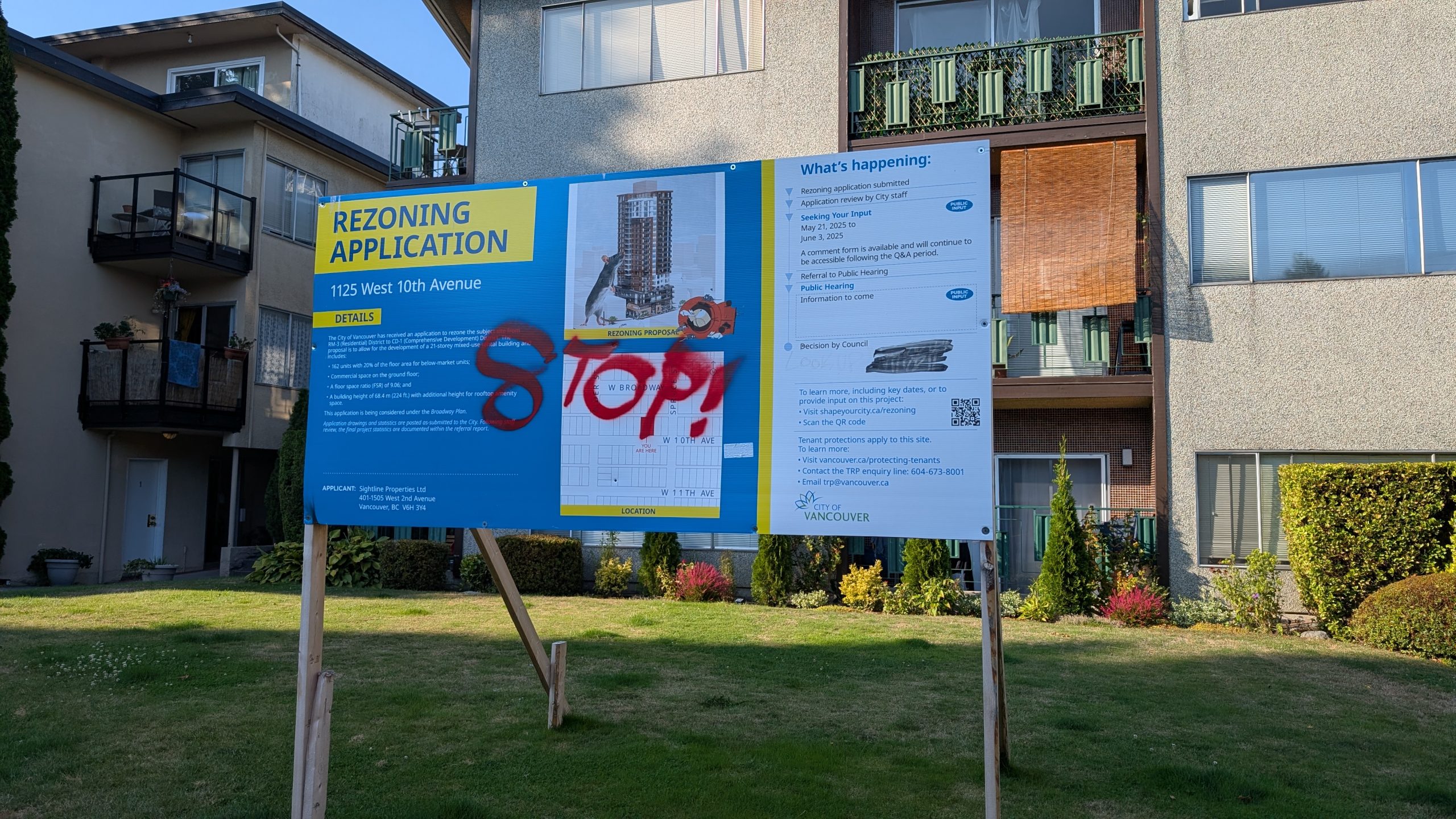
A new academic study argues that the moral arguments used by both pro-development and anti-development advocates in Vancouver and Toronto’s zoning battles are rooted in property logics that ultimately limit the scope of housing reform.
The paper, published in the journal Urban Geography by Vancouver Island University researcher Trevor Wideman, examines what the author calls “the proprietary view” — the way property-based reasoning shapes how people argue for or against changes to residential land use in Canada’s two most expensive cities.
Property logics on both sides of the debate
Drawing on interviews with housing and planning actors, observations of public planning events, and reviews of policy and planning documents, Wideman finds that appeals to property rights and “neighbourhood character” are not exclusive to opponents of densification. Pro-housing advocates also deploy proprietarian arguments — framing land use reform as a matter of property owners’ rights to develop their own land.
The study argues that while these property-based arguments can open up space for land use transformation, such as citywide zoning changes that allow more housing types, they are fundamentally limited in their ability to challenge the private property regimes that underpin exclusionary planning in the first place.
Vancouver and Toronto as case studies
Both cities are at the centre of Canada’s housing affordability crisis, with municipal governments proposing and implementing significant zoning reforms in recent years. Vancouver has moved to allow multiplexes citywide, while Toronto has pursued its own “missing middle” housing reforms.
Wideman documents how resistance to these changes often invokes the concept of “neighbourhood character” — a term he describes as deliberately vague, used interchangeably to refer to either the physical or socio-demographic characteristics of a place. In Toronto, the city’s official plan defines character narrowly in terms of the physical characteristics of nearby properties, but the concept frequently takes on broader, more exclusionary connotations in public debate.
The research highlights the case of Kitsilano in Vancouver, where opposition to citywide zoning changes was intertwined with resistance to specific proposed developments, including a supportive housing project at West 8th Avenue and Arbutus Street.
A warning about ‘what is possible’
The central caution of the paper is that even when proprietarian arguments are deployed in favour of housing reform, they can perpetuate a narrow vision of what solutions are available. By framing the housing crisis primarily through the lens of individual property rights — whether the right to exclude or the right to build — advocates on both sides may inadvertently maintain the exclusionary tendencies embedded in planning and property systems.
Wideman argues this dynamic limits the political imagination around housing, sidelining approaches that might challenge the primacy of private property in determining how urban land is used.
“While proprietarian discourses can open up spaces of possibility in relation to land use transformation, they are limited in their ability to challenge existing private property regimes,” the study states.
Toward more equitable advocacy
The paper concludes by gesturing toward more equitable municipal land use planning strategies in Canada — ones that move beyond property-based moral claims and address the structural roots of housing exclusion.
The research was funded by the Social Sciences and Humanities Research Council and Canada Mortgage and Housing Corporation.
Source: Wideman, T. (2026). “The proprietary view: moral regulation of residential land use in Vancouver and Toronto.” Urban Geography. DOI: 10.1080/02723638.2025.2606122
