



It just hit 4°C in Canada’s Arctic. In January.
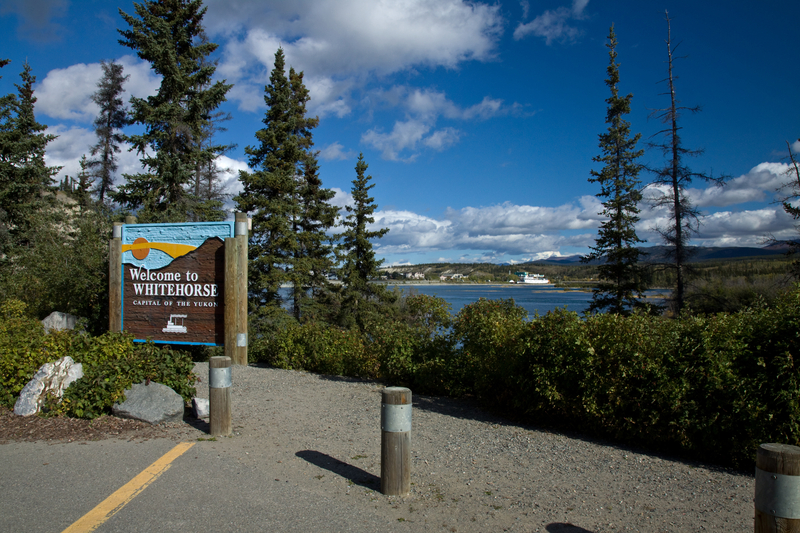
The subarctic is experiencing spring temperatures in the dead of winter and nobody seems to be screaming loud enough about it
Whitehorse hit 4°C on Friday evening. Four degrees Celsius. In mid-January. At 7 PM on January 16th, while it was pitch dark in Canada’s north, the temperature at Whitehorse Airport was barely below refrigerator temperature in a place that should be a deep freezer.
For context: normal January highs in Whitehorse are -13°C. Normal lows are -22°C. This is a city at 60°N latitude, roughly the same latitude as Oslo, Helsinki, and southern Alaska. This is a place where your eyelashes freeze together when you blink, where cars need block heaters just to turn over, where -40°C is an inconvenience, not an emergency. January in Whitehorse is supposed to be the kind of cold that makes you question your life choices.
But yesterday? People were outside in unzipped jackets. The snow was melting. In January. In the Yukon. At a latitude where winter darkness lasts 18 hours and the sun barely clears the horizon.
Let’s be clear about what this means: we’re watching real-time Arctic amplification. The polar regions are warming 2-4x faster than the global average, and when you see a 17°C temperature anomaly in the subarctic in the dead of winter, that’s not “unusual weather.” That’s a planetary fever dream.
The forecast shows temperatures crashing back to -19°C by Thursday, which the locals will probably treat as a “return to normal.” But here’s the thing: it isn’t normal. The jet stream is so destabilized that Whitehorse (a city that routinely sees temperatures colder than Mars) is experiencing temperature swings that would have been considered impossible thirty years ago. These aren’t fluctuations anymore. These are convulsions.
The ice roads that Indigenous communities depend on for supplies are going to have shorter seasons. The permafrost that holds up buildings and pipelines is thawing. The freeze-thaw cycles are accelerating infrastructure decay. And everyone’s just going to work, buying groceries, checking the weather app like this is fine.
It’s not fine. When the subarctic experiences temperatures 17 degrees above normal (when it’s warmer than many temperate cities in winter), we’re past the point of adaptation. We’re in the unraveling phase.
The temperature will drop again. It always does. But every time it spikes like this, the “baseline normal” shifts a little further. The old timers who remember when -40°C was standard for weeks on end are watching their world disappear in real time.
Faster than expected. As always.
